Managing an online community feels effortless during events the energy is high, conversations flow naturally, and your members are buzzing with excitement. But check back a week later, and you’ll often find a ghost town. Sound familiar?
This comprehensive guide is for community managers, association leaders, and membership site owners who want to break the boom-bust cycle and create communities that thrive year-round. You’ll discover proven strategies that transform post-event silence into ongoing conversation and turn occasional visitors into daily contributors.
We’ll dive deep into understanding why engagement drops after events and show you how the best communities maintain momentum through smart content rhythms and genuine human connection. You’ll also learn how to design onboarding experiences that stick, build accountability systems that keep members coming back, and measure the metrics that actually matter for long-term community health.
Stop watching your community flatline between events. Let’s build something that stays alive 365 days a year.
Understanding Why Community Engagement Drops After Events
The 72-Hour Attention Drop-Off Pattern
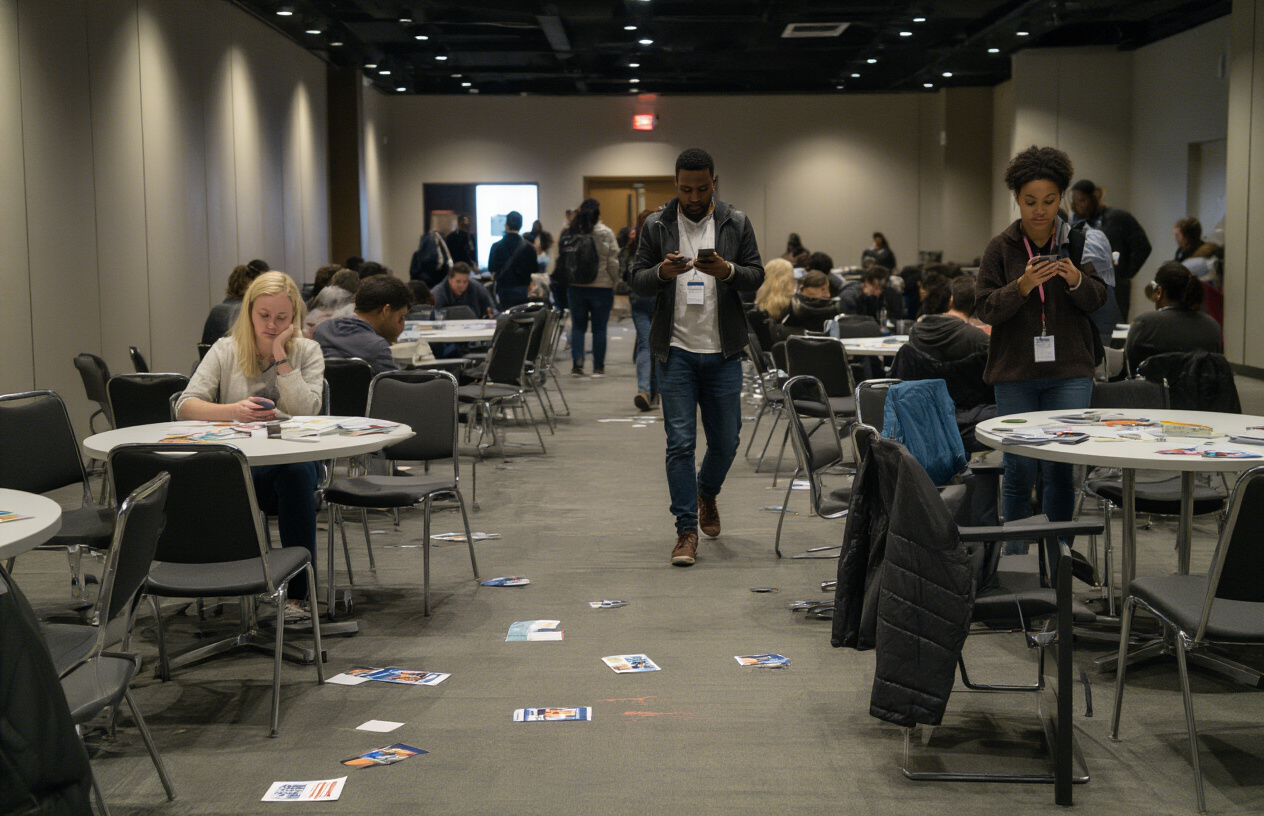
Research reveals a stark reality about community engagement: 97% of attendees become disengaged at events, but the real challenge begins after the event ends. The pattern is predictable – engagement spikes during live activities, maintains momentum for approximately 72 hours, then drops dramatically. One week post-event, members are still sharing takeaways and reflecting on key moments, but by the two-week mark, most communities experience near-complete silence.
Moving from Event Spikes to Continuous Engagement
The fundamental issue lies in treating events as isolated moments rather than catalysts for ongoing community activity. When members only hear from organizations during event promotion periods, they perceive the community as an “event-only” space rather than a hub for continuous value. Successful community strategy requires shifting from sporadic high-energy moments to sustained engagement that thrives year-round, transforming one-time participants into dedicated, active members.
Building Digital Momentum Between Live Activities
Digital momentum requires strategic planning and consistent touchpoints that extend far beyond the initial event experience. Organizations must provide clear next steps, offer ongoing value through bite-sized content delivery, and create structured pathways for continued participation. This includes launching follow-up discussions, sharing exclusive post-event resources, and establishing regular virtual meetups that maintain community connections until the next major gathering, ensuring members remain engaged throughout the entire community lifecycle.
Redefining What True Community Engagement Looks Like

The 1-9-90 Participation Model Explained
The 1-9-90 participation model reveals a fundamental truth about online community engagement: typically, 1% of members create content, 9% interact with that content, and 90% remain silent observers. This distribution pattern appears across most digital communities, challenging traditional assumptions about what active participation looks like. Understanding this model helps community managers set realistic expectations and recognize that a healthy community doesn’t require everyone to post regularly.
Recognizing Silent Participants as Engaged Members
Moving beyond vanity metrics like post counts reveals that silent participants – often called “lurkers” represent valuable engaged members. These users consume content, attend events, and derive significant value from the community without actively posting. The reference content emphasizes that “many communities attract lurkers – those who read but don’t post – which isn’t necessarily bad,” indicating that retention metrics and time spent in the community better reflect true engagement than visible interactions alone.
Measuring Depth Over Volume of Interactions
Quality engagement metrics focus on meaningful interactions rather than raw participation numbers. Peer-to-peer interactions, response quality, and sustained participation patterns provide deeper insights into community health than simple post counts. As highlighted in the reference content, tracking “quality of engagement – not just quantity” becomes essential, with metrics like session depth, returning member ratios, and authentic member-to-member connections offering more strategic value for measuring true community engagement success.
Creating the Foundation for Long-Term Member Activity

Establishing Clear Community Purpose and Daily Value
Creating sustainable community foundations requires establishing a clear purpose that resonates with members daily. Successful communities build trust and maintain valued relationships by consistently delivering resources and support that address organizational needs. When members understand how the community serves their professional goals, they’re more likely to engage regularly and contribute meaningfully to the platform’s growth.
Building Psychological Safety for Professional Participation
Professional communities thrive when members feel safe to share insights, ask questions, and collaborate without fear of judgment. Building psychological safety involves creating an environment where knowledge sharing and collaboration flourish naturally. This foundation enables members to advocate for themselves and their communities rather than remaining passive participants, fostering deeper engagement and long-term commitment.
Designing Identity-Rich Spaces Where Members See Themselves
Effective community planning creates spaces where members can see their professional identities reflected and valued. By designing platforms that acknowledge diverse expertise and backgrounds, communities become more than transactional spaces they evolve into environments where members feel represented. This identity-rich approach ensures that feedback flows naturally and members view the community as essential to their professional development and success.
Designing Predictable Rhythms That Drive Regular Participation

Weekly Engagement Rituals and Prompts
Establishing consistent weekly touchpoints creates the foundation for sustained community engagement. By implementing regular communication cycles and structured prompts, community leaders can maintain momentum between larger events while providing members with predictable opportunities to participate. These rituals should align with your overall engagement strategy goals and support continuous feedback loops to ensure members remain receptive to ongoing initiatives.
Monthly Community Events and Learning Opportunities
Monthly programming serves as the cornerstone of effective community engagement planning, providing members with substantial learning experiences while maintaining regular connection points. These scheduled events create anticipation and give communities something concrete to rally around, supporting both member growth and platform engagement. Successful monthly initiatives require clear communication strategies to reach target audiences and ensure broad participation across diverse community segments.
Quarterly Deep-Dive Programs and Collaborations
Strategic quarterly programs represent the pinnacle of community engagement cycles, offering intensive learning opportunities and collaborative projects that drive deeper member connections. These comprehensive initiatives allow communities to tackle complex topics while fostering meaningful relationships between participants. By setting up these engagement cycles rather than isolated projects, community leaders demonstrate commitment to involving members in substantial ways, creating lasting impact and sustained participation throughout the year.
Leveraging Video Content to Humanize Your Online Community

Using Video to Accelerate Trust and Connection
Video content transforms online communities by adding the human element that text-based interactions often lack. When community members see faces and hear voices behind projects, it builds credibility through observable body language and tone, creating emotional connections that foster deeper engagement. This transparency allows members to connect with the people delivering content, establishing trust that’s crucial for productive community participation.
Creating Multiple Video Participation Pathways
Communities thrive when they offer diverse video formats to accommodate different member preferences and engagement styles. Tutorials educate viewers on specific tasks, vlogs provide personal experiences from experts, and live webinars enable real-time interaction around project topics. Recorded presentations offer structured approaches to complex information, while community stories feature members sharing their own experiences, creating multiple entry points for engagement and participation. How to Keep Best Online Community Members Active and Engaged 2026.
Integrating Live and Recorded Content Seamlessly
Strategic integration of both live and recorded video content maximizes community engagement opportunities. Live sessions like virtual town halls can be recorded and repurposed on project pages, allowing broader access while maintaining the authentic connection of real-time interaction. This approach enables communities to leverage the immediacy of live content while extending its value through recorded accessibility, creating sustainable engagement rhythms that keep members active across different participation preferences.
Implementing Strategic Moderation for Community Growth

Positive Reinforcement Techniques That Encourage Participation
Strategic community moderation extends far beyond policing negative behavior—it actively cultivates engagement through positive reinforcement. Effective moderators recognize and highlight quality contributions using badges, profile tags, and exclusive roles to showcase members’ helpfulness and community tenure. When moderators publicly call out standout comments or helpful responses, they set clear examples for other members to follow while building trust and encouraging a sense of belonging within the community.
Providing Posting Guidance and Content Templates
Now that we understand the importance of positive reinforcement, providing clear posting guidance becomes essential for maintaining community standards. Effective moderation includes creating accessible community guidelines that define acceptable content types and behaviors, ensuring members understand expectations from the start. Rather than simply banning unwanted actions, successful communities address root causes diplomatically—like creating dedicated channels for self-promotion or requiring permission before direct messaging. This guidance-focused approach helps members contribute meaningfully while reducing the need for reactive moderation interventions.
Amplifying Quality Contributions and Member Expertise
With proper guidance in place, moderators can focus on elevating valuable content and recognizing community expertise. Strategic moderation involves actively highlighting members’ knowledge and contributions through public recognition systems that motivate continued engagement. When moderators lead by example—fostering thoughtful dialogue, encouraging diverse perspectives, and connecting members who should know each other—they shape a positive community culture. This approach transforms moderation from a restrictive function into a growth catalyst that encourages members to share their expertise and engage in meaningful discussions.
Mastering the New Member Onboarding Experience

Creating Immediate Welcome and Quick Wins
The moment new members join your community platform, they begin forming lasting impressions about your organization’s value. A strategic welcome approach includes thanking members through confirmation emails, personalized messages, or welcome gifts that reinforce their decision to join. Quick wins come from providing immediate value through simple actions like completing profiles or accessing key resources, ensuring members experience tangible benefits from day one.
Providing Clear Navigation and Starting Points
Effective onboarding requires addressing both technical and cultural understanding through multiple channels. In-platform flows should guide members through essential setup tasks like profile completion and community guidelines acceptance, while evergreen “Getting Started” spaces provide permanent access to navigation help. Clear communication about what members can expect, including communication frequency and available resources, eliminates confusion and creates confidence in using your community platform successfully.
Building Accountability Systems That Keep Members Engaged

Weekly Goal Setting and Progress Check-ins
Drawing from community engagement best practices, weekly goal setting creates the foundation for sustained member accountability. This systematic approach recognizes community members as equal partners in their growth journey, ensuring their voices are heard and valued throughout the process. Successful online communities implement structured weekly check-ins where members publicly commit to specific, measurable goals within their areas of focus.
The most effective strategy involves creating dedicated spaces where members can share their weekly objectives, receive feedback from peers, and report on their progress from the previous week. This transparency builds trust within the community and demonstrates that member input directly influences the support they receive. Platform tools should facilitate easy goal tracking, allowing members to update their status and celebrate achievements as they occur.
Regular progress check-ins serve dual purposes: maintaining individual momentum and strengthening community bonds. When members consistently engage in these weekly rhythms, they develop deeper connections with both their goals and fellow community members, creating the acceptance and trust necessary for long-term engagement.
Challenge-Based Engagement Programs
Challenge-based programs transform passive community participation into active, goal-oriented collaboration. These structured initiatives create meaningful community participation by establishing clear objectives that members work toward collectively. The most successful challenges integrate peer accountability mechanisms, where participants support each other throughout the duration of the program.
Effective challenge design focuses on community assets and member aspirations rather than external metrics alone. This approach ensures that challenges align with what communities actually want, not what administrators assume they need. Popular formats include skill-building challenges, habit formation programs, and collaborative project completions that span multiple weeks or months.
The key to sustainable challenge programs lies in building trusted feedback mechanisms that allow continuous improvement based on participant input. Members should have multiple opportunities to shape challenge parameters, suggest modifications, and provide honest communication about their experiences. This creates an environment where participants feel confident and comfortable engaging with both the challenge content and their fellow members.
Peer-to-Peer Support and Mentoring Circles
Peer-to-Peer support systems represent the pinnacle of community-driven accountability, where experienced members guide newcomers while reinforcing their own commitment to growth. These mentoring circles hand over significant control of community programming to members themselves, creating authentic relationships built on shared experience and mutual support.
Successful mentoring programs establish clear structures for pairing mentors with mentees based on experience levels, goals, and communication preferences. The most effective circles meet regularly, either virtually or through dedicated community spaces, where participants can share challenges, celebrate victories, and provide guidance based on their lived experiences.
The strength of peer mentoring lies in its ability to create multiple layers of accountability simultaneously. Mentors remain engaged by supporting others, while mentees receive personalized guidance from those who have walked similar paths. This reciprocal relationship model ensures sustained participation because members recognize their value both as learners and teachers within the community ecosystem.
These circles thrive when communities provide adequate resources and support structures, including training for mentors, clear expectations for participation, and regular opportunities for program feedback and refinement.
Measuring Community Health with Business-Critical Metrics

Tracking Activation and Participation Depth
Effective community health measurement begins with tracking activation rates and participation depth across member segments. Like healthcare facilities monitoring patient engagement through specific KPIs, community managers must establish metrics that transform raw data into actionable insights for ongoing improvement. Monitor activation rates by measuring the percentage of new members who complete onboarding activities within their first 30 days, alongside participation depth indicators such as comment frequency, content creation rates, and cross-platform engagement patterns.
Monitoring Retention and Renewal Rate Correlations
Previously established activation metrics provide the foundation for understanding retention patterns and their correlation with renewal rates. Track member lifecycle stages by analyzing the relationship between early engagement signals and long-term community participation. Use dashboards to monitor retention cohorts, measuring how initial participation depth influences member renewal decisions and identifying critical engagement thresholds that predict sustained community membership.
Demonstrating ROI Through Member Value Signals
With participation and retention metrics established, focus on capturing member value signals that demonstrate tangible community ROI. Track business-critical indicators such as member-generated content volume, peer-to-peer support resolution rates, and knowledge-sharing frequency. These metrics convert community engagement into measurable business outcomes, enabling stakeholders to understand how active participation translates into reduced support costs, increased product adoption, and enhanced member satisfaction scores.
Creating Exclusive Value That Increases Member Loyalty

Offering Member-Only Resources and Early Access
Exclusive resources create a powerful incentive for community members to stay engaged. Provide premium content like industry reports, templates, and tools that aren’t available anywhere else. Early access to product launches, webinars, or courses makes members feel valued and special.
Providing Monthly Themed Content and Structure
Monthly themes give your community predictable structure while maintaining variety. Build each month around specific topics like “Growth Strategies” or “Member Spotlights” with corresponding resources, discussions, and activities. This approach helps members plan their participation and creates anticipation.
Celebrating Member Progress and Achievements
Recognition drives deeper engagement and loyalty. Create systems to highlight member milestones, successful project completions, and community contributions through featured posts, badges, or special ceremonies. Public celebration encourages others to participate actively and builds stronger connections between members within your platform.
Building an engaged online community isn’t just about creating digital spaces—it’s about architecting experiences that transform sporadic event attendees into year-round advocates. The strategies outlined above work because they address the fundamental challenge every association faces: maintaining momentum between events while creating genuine value that keeps members returning daily, not just quarterly.
The associations thriving in 2026 understand that community engagement requires intentional design, predictable rhythms, and measurable outcomes. By implementing strategic onboarding, leveraging video content for human connection, building accountability systems, and creating exclusive value propositions, you’re not just managing a community—you’re cultivating a digital ecosystem where professional relationships flourish and member loyalty compounds. Start with the foundation elements, establish your weekly and monthly rituals, and watch as your community transforms from a quiet platform into the beating heart of your association’s member experience.