Strong communities don’t happen by accident they’re built through daily actions that bring people together.
This guide is for community managers, nonprofit leaders, small business owners, and anyone looking to transform casual followers into engaged participants who actively contribute to your mission.
Community engagement goes beyond posting content or sending newsletters. It’s about creating spaces where people feel heard, valued, and connected to something meaningful. Whether you’re building a brand community, managing volunteers, or growing a creator following, the strategies that work in 2026 focus on authentic relationships over follower counts.
We’ll cover proven daily engagement tactics that keep your community active and responsive, plus practical strategies tailored for different types of organizations from bootstrapped startups to established nonprofits. You’ll also learn how to measure what actually matters for community success, including retention rates and sentiment scores that translate into real business value.
Ready to build a community that lasts? Let’s start with the fundamentals that turn one-time visitors into loyal advocates.
Understanding Community Engagement Strategies That Drive Real Results

What Community Engagement Really Means Beyond Social Media Posts
Community engagement strategies go far beyond posting content. They involve creating spaces where people feel heard, valued, and part of something bigger than themselves. Effective strategies focus on two-way dialogue rather than one-way broadcasting, creating psychological safety where members feel comfortable sharing ideas, asking questions, and supporting each other.
Why Authentic Relationships Matter More Than Follower Counts
Strong community engagement strategies create measurable business value through authentic relationships rather than vanity metrics. According to research, organizations with engaged communities see 37% higher customer retention rates and 56% faster growth in customer lifetime value. Members trust peer recommendations and authentic community discussions more than brand messaging, translating to loyalty and word-of-mouth growth.
How Strong Communities Create Measurable Business Value
For nonprofits, effective community engagement strategies increase volunteer retention and donor lifetime value. For creators, they build sustainable income through loyal audiences rather than algorithm dependence. For businesses, they generate product feedback and reduce customer churn. Communities build trust in ways advertising cannot, with hybrid and remote work making these strategies even more critical for distributed teams.
The Four Core Principles Every Successful Strategy Must Follow
Effective community engagement strategies rest on four core principles. Authenticity first requires genuine values and honest communication about limitations and mistakes. Dialogue over broadcast creates spaces for real conversation through questions, genuine responses, and peer-to-peer connections. Accessibility and inclusion ensures strategies work for neurodivergent members, people with disabilities, and members across generations through alt text, captions, and multiple participation methods. Psychological safety establishes clear guidelines,
Building Your Community Engagement Foundation From Scratch

Building Your Community Engagement Foundation From Scratch
Define Your Community’s Clear Purpose and Values
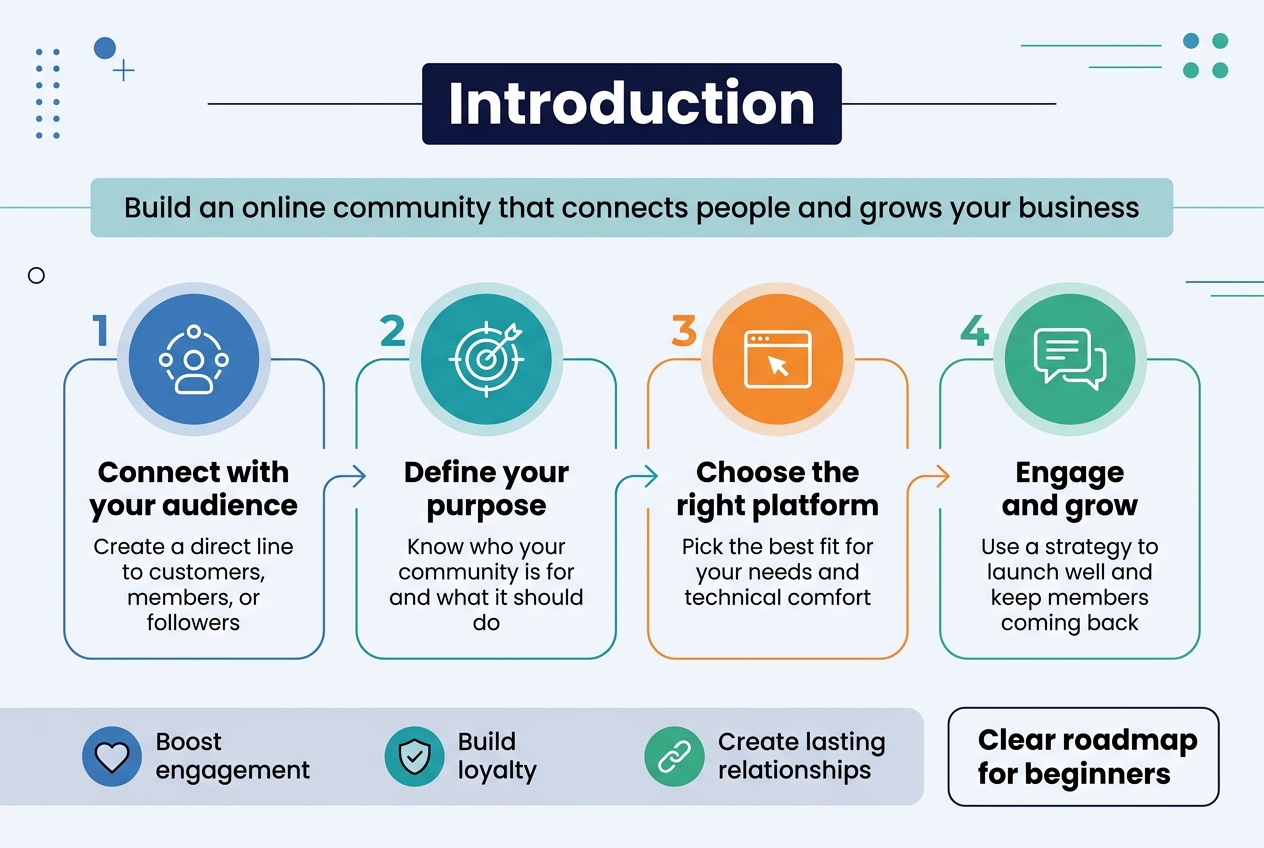
The first step to successful online community building requires defining a clear purpose and mission that guides all future engagement strategies. Your community purpose should answer why you’re creating this space and what urgent social need it addresses. This foundation becomes the identity that potential members will align with, creating the first element of successful community participation. When members can connect with your community’s mission, they’re more likely to actively participate and contribute meaningful content.
Choose Platforms Where Your Audience Already Spends Time
Selecting the right platform is crucial for community engagement success. Rather than forcing your audience to adopt new communication channels, identify where your target members already spend time online. This approach reduces friction and increases the likelihood of consistent participation. Whether it’s social media forums, specialized platforms like Khoros, or industry-specific networks, meeting your audience where they are ensures better initial adoption and sustained interaction rates.
Create Content Calendars and Moderation Plans That Work
Successful community management requires structured content planning and clear moderation strategies. Develop content calendars that provide consistent value while encouraging user-generated content and collaboration. Your moderation plan should outline guidelines for maintaining quality interactions while fostering open communication. This systematic approach ensures members know how to participate effectively and creates the reward structure necessary for building brand loyalty and long-term engagement.
Implement Tools That Reduce Friction Without Replacing Human Connection
While technology can streamline community operations, the goal is reducing administrative friction without losing the human element that drives genuine connections. Implement tools for managing member interactions, tracking engagement metrics, and gathering feedback, but ensure these systems support rather than replace personal communication. The most successful communities balance automated processes with authentic human interaction, creating environments where members feel valued and heard while maintaining operational efficiency.
Daily Engagement Tactics That Keep Your Community Active

Foster Dialogue Over Broadcasting to Build Real Connections
The most successful online community engagement strategies prioritize two-way conversations over one-directional content broadcasting. Rather than simply pushing out announcements and updates, focus on creating opportunities for meaningful member interaction and feedback. Ask Me Anything (AMA) sessions exemplify this approach perfectly, allowing community members to directly engage with industry experts or internal team members in real-time discussions.
When planning AMAs, leverage your community data to identify topics that will generate genuine interest. Analyze top discussions, frequently used tags, common search terms, and most popular downloaded resources to understand what resonates with your members. This data-driven approach ensures your dialogue initiatives address actual member needs rather than assumed interests.
Position these engagement opportunities strategically around your organizational calendar. If you have a product release or new policy introduction approaching, structure your dialogue sessions to educate while simultaneously gathering valuable member insights and feedback.
Create Psychological Safety Where Members Feel Comfortable Sharing
Building psychological safety within your online community requires intentional strategies that make members feel valued and heard. Welcome new users with personalized messages that highlight the community’s benefits and suggest specific initial steps for engagement. This personal touch immediately establishes a welcoming atmosphere and demonstrates that each member matters.
Implement authentic appreciation and feedback practices when members contribute valuable content. People can typically distinguish between genuine recognition and generic praise, so ensure your responses are heartfelt and specific. Publicly recognize outstanding contributors on professional platforms like LinkedIn, which serves dual purposes: motivating the recognized individual while demonstrating to other members that their participation is valued and noticed.
Re-engage inactive members with personalized “we miss you” messages, either through automated community platform features or direct personal outreach. This approach shows members that their absence is noticed and their return is genuinely desired, reinforcing their sense of belonging within the community.
Facilitate Member-to-Member Connections Beyond Leader Interactions
Strong communities thrive when members connect directly with each other, creating a network effect that reduces dependence on community leaders for all interactions. Organize events hosted within the community platform specifically designed to encourage one-on-one member interactions. These personal connections cultivate empathy and mutual trust, compelling members to support each other naturally.
Create persona-specific content that addresses different user types and their unique perspectives. Understanding what makes various member segments tick allows you to design engagement opportunities that facilitate relevant connections between like-minded individuals or complementary skill sets.
Implement advanced gamification techniques such as tiered achievement levels, special badges, and exclusive perks that reward collaborative participation rather than just individual contributions. This approach incentivizes members to work together and support each other’s growth within the community.
Consider co-hosting events with active users or community partners, highlighting member success stories through webinars, workshops, or virtual meetups. This strategy showcases real-world applications while creating opportunities for members to learn from peers rather than always relying on official organizational representatives.
Show Up Consistently With Scheduled Office Hours and Regular Check-ins
Consistency builds trust and expectation within your online community. Establish regular, predictable touchpoints that members can rely on for support, guidance, and interaction. However, avoid overwhelming your community with too frequent events—quarterly AMAs work better than monthly ones to prevent member fatigue while maintaining engagement momentum.
Send regular, curated updates through newsletters and community digests that keep your community top-of-mind for members. These communications should highlight what members have missed and preview upcoming opportunities, providing gentle nudges for re-engagement without being pushy.
Integrate community participation into existing customer journey touchpoints by working with customer-facing teams like implementation and customer success departments. This approach ensures community value is communicated consistently across all member interactions, not just during dedicated community events.
Use familiar platforms and tools that your team already utilizes to streamline staff participation in regular community engagement. The goal is simplifying participation by incorporating community activities into existing workflows rather than creating additional burdens for team members who interact with your community members.
Proven Strategies for Different Types of Organizations

Nonprofit Community Engagement for Mission Storytelling and Volunteer Mobilization
Nonprofit organizations excel at community engagement by leveraging asset-based community development approaches that build on existing community strengths. These organizations serve as crucial stakeholders in the engagement ecosystem, acting as facilitators and mediators while implementing specific community issues. Their collaborative process focuses on working through groups of people to address well-being concerns through partnership and reciprocity.
Business Community Building for Customer Feedback and Co-creation
Business community engagement emphasizes collaborative engagement and co-creation strategies that involve stakeholders in active participation and decision-making processes. Companies utilize consultation methods and digital engagement tools like surveys, focus groups, and social media platforms to gather customer insights. This transactional engagement approach builds trust and accountability while improving decision-making outcomes through diverse community perspectives.
Creator Community Development for Algorithm-Independent Revenue
Creator communities leverage engagement strategies that foster ongoing partnerships and collaborations beyond traditional platform dependencies. These communities utilize digital outreach methods and community platforms to maintain direct relationships with their audience. By implementing feedback loops and continuous communication strategies, creators build sustainable engagement cycles that generate long-term value and reduce reliance on algorithm-driven visibility.
Local Government Engagement for Transparency and Civic Participation
Local government community engagement focuses on transparency, accountability, and inclusive decision-making processes that ensure diverse voices are heard. Government agencies act as regulators and facilitators, providing platforms for dialogue through town halls, public consultations, and participatory methods. This empowering engagement approach addresses power imbalances while removing barriers to participation, ultimately strengthening social cohesion and democratic involvement in community decisions.
Building Trust and Managing Community Relationships Effectively

Practice Transparency in Decision-Making and Policy Changes
Building trust in your online community requires proactive disclosure of information and clear communication about policy changes. Make data and information readily accessible through online portals and community forums, using plain language to avoid jargon in official announcements. When implementing new community guidelines or platform changes, demonstrate responsiveness by acting promptly on member concerns and providing timely updates on progress.
Address Conflict Constructively With Clear Protocols
Previously, I’ve mentioned the importance of transparency, and with this in mind, establishing clear conflict resolution protocols becomes essential for maintaining community trust. Create structured approaches for handling disputes between members, ensuring your moderation team models ethical behavior and sets high standards of conduct. When conflicts arise, acknowledge mistakes openly and take corrective action, as addressing errors builds credibility rather than undermining it.
Celebrate Member Contributions and Create Recognition Systems
Now that we have covered conflict management, fostering positive engagement through recognition systems strengthens community bonds. Partner with active community members to highlight valuable contributions, creating opportunities for public recognition through featured posts, member spotlights, or achievement badges. This collaborative approach embraces shared goals and demonstrates your commitment to valuing diverse participation across your community.
Handle Toxic Members While Protecting Community Culture
With this foundation of trust established, managing toxic behavior requires balancing firm boundaries with community protection. Develop clear protocols for addressing disruptive members while maintaining transparency about enforcement actions. Create partnerships with trusted community leaders who can help identify and address problematic behavior before it escalates, ensuring your community culture remains welcoming while protecting the integrity of member interactions and maintaining the collaborative environment you’ve worked to build.
Measuring Community Success With Metrics That Matter

Track Member Retention Rate and Monthly Engagement Levels
Community engagement metrics require careful selection based on your specific goals rather than tracking everything simultaneously. Focus on response rates by measuring people reached versus actual respondents, and monitor engagement depth by comparing webpage visitors to survey completions. Track the frequency of data usage across different departments and professional capabilities to understand true member retention patterns.
Monitor Response Times and Community Health Scores
Beyond basic participation numbers, evaluate engagement satisfaction through post-survey questionnaires and workshop participant polls. Monitor the variety of engagement methods used and assess whether you’re offering multiple participation levels including consultation, decision-making discussions, and surveys. Security and compliance with data protection legislation also serves as a critical health indicator for sustainable community management.
Measure Sentiment and Business Impact Beyond Vanity Metrics
Quality metrics matter more than quantity alone, as simple respondent counts don’t reflect actual engagement impact. Track balanced sentiment of feedback and compatibility between public input and planning directions to measure real business influence. Monitor the number of changes motivated by public input and assess how frequently collected insights get reused across multiple projects.
Use Platform Analytics and Member Feedback for Real Insights
Establish internal procedures for monitoring data usage within your engagement software to track cross-departmental collaboration effectively. Focus on geographic reach and demographic variety including age groups, gender balance, and cultural backgrounds to ensure representative participation. Analyze spatial dispersion of GIS-based data and compatibility with organizational planning directions for actionable insights that drive meaningful community relationships.
Budget-Smart Community Building for Every Organization Size
Lean Budget Approaches Under $50K for Startups and Nonprofits
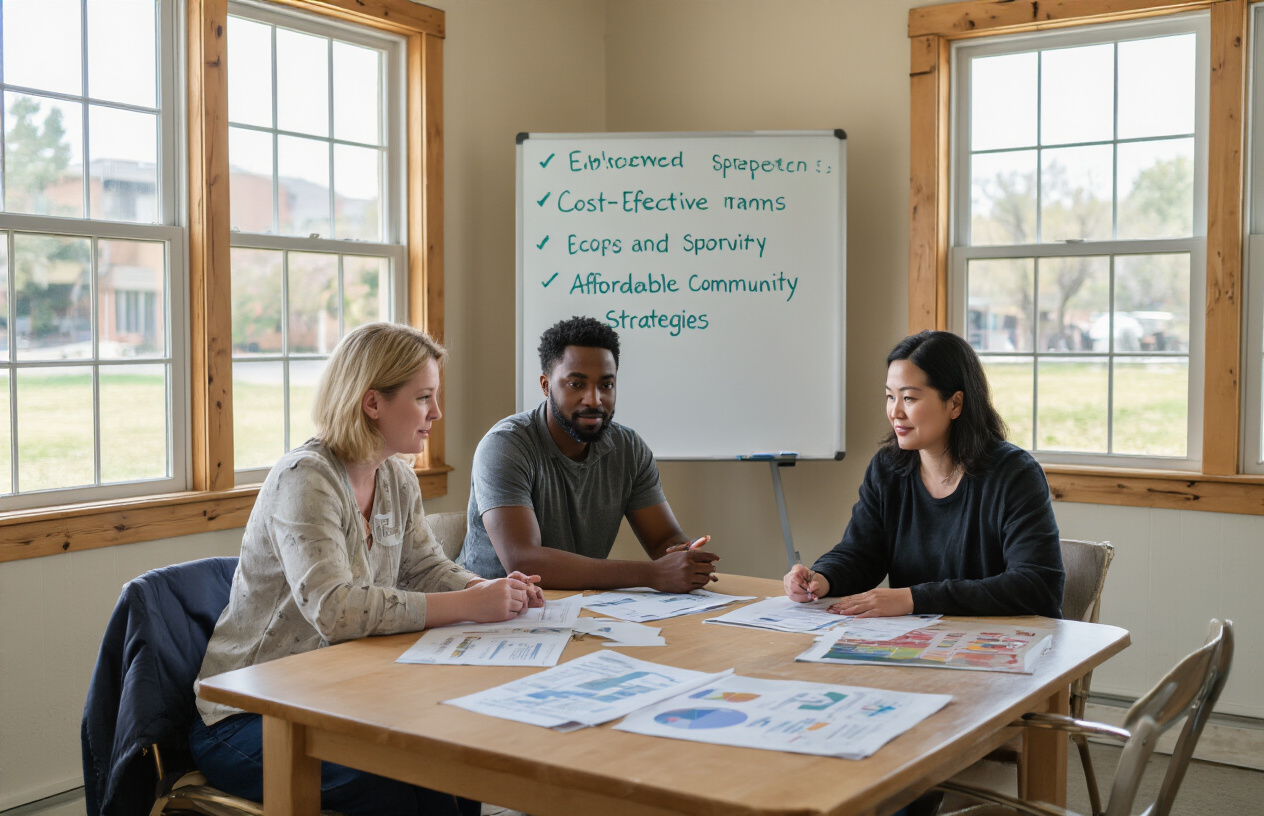
Building community engagement on a lean budget requires creative resource allocation and strategic partnerships. Startups and nonprofits operating under $50K can maximize impact by embracing collaborative approaches that break down organizational silos. Rather than working in isolation, bring all stakeholders to the table to identify duplicate expenses and consolidate resources for community building initiatives.
Growth Stage Investments Between $50K-$150K for Scaling Teams
Organizations in the growth stage can implement more sophisticated community engagement strategies by incorporating scenario planning and forecasting techniques. This budget range allows for dedicated community management tools and staff while building operational reserves. Consider rolling budgets that adapt to changing community needs and engagement patterns, ensuring resources flow to high-impact programs that drive meaningful participation.
Enterprise-Level Community Programs Above $150K for Dedicated Departments
Free Tools and Tactics That Deliver Results Without Breaking the Bank
Smart community building doesn’t require breaking budgets when you harness the power of partnerships and volunteer networks. Following successful models, organizations can collaborate with local businesses and volunteer groups to address community needs without direct costs. This approach not only stretches limited resources but often delivers better outcomes by involving community members in solution development, creating stronger engagement and ownership of initiatives.
Essential Tools and Platforms for Streamlined Community Management

Choose the Right Community Platforms for Your Audience
Previously, we’ve explored various engagement strategies, and now it’s time to select the right platforms that match your community’s specific needs. Mighty Networks excels for creators and coaches building branded communities at $41/month, while Circle serves small teams and educators who need flexible, structured spaces at $89/month. Gainsight Customer Communities targets B2B SaaS teams focused on customer success at scale, with Hivebrite offering deep customization for nonprofits and associations.
Content Management Systems That Create Consistency
With platform selection covered, maintaining consistent content across channels becomes crucial for sustained online community engagement. ContentStudio enables robust scheduling with bulk uploads and queue management, making it ideal for teams collaborating on multi-platform content strategies. Buffer provides simple, clear planning tools perfect for maintaining consistent publishing schedules across Facebook, Instagram, X, LinkedIn, and other major networks.
Analytics Tools That Provide Actionable Insights
Now that content systems are established, measuring community participation and growth requires powerful analytics platforms. Metricool delivers clean dashboards with real-time metrics and competitive analysis, supporting Facebook, Instagram, LinkedIn, X, TikTok, and YouTube tracking. Sprout Social provides deeper insights with customizable reports combining all platforms, offering excellent ROI tracking capabilities though at higher enterprise pricing levels.
Collaboration Software That Keeps Your Team Aligned
With analytics in place, team coordination becomes essential for managing multiple community platforms effectively. Rambox revolutionizes workflow organization by consolidating all communication tools, social media platforms, and project management systems into personalized workspaces. This productivity solution supports over 700 preloaded apps with separate profiles for different clients, eliminating constant tab-switching while maintaining security through independent sessions for each brand or community managed.

Community engagement strategies are no longer optional—they’re essential for building loyalty, generating feedback, and creating sustainable growth. The organizations winning in 2026 aren’t the ones with the biggest budgets. They’re the ones with the most authentic, engaged communities.
Key takeaways for your community engagement strategies:
• Start with clear purpose and genuine values
• Choose platforms that match where your audience already gathers
• Build trust through transparency and consistent presence
• Focus on member-to-member connections, not just top-down communication
• Measure what matters: retention, sentiment, and business impact
• Start lean, prove ROI, then scale what works
• Make accessibility and inclusion non-negotiable from day one
Whether you’re running a nonprofit, building a brand community, or nurturing a creator audience, the fundamentals remain the same: authentic relationships, consistent engagement, and member-first decision-making. The best time to start your community engagement strategies was yesterday. The second best time is today.