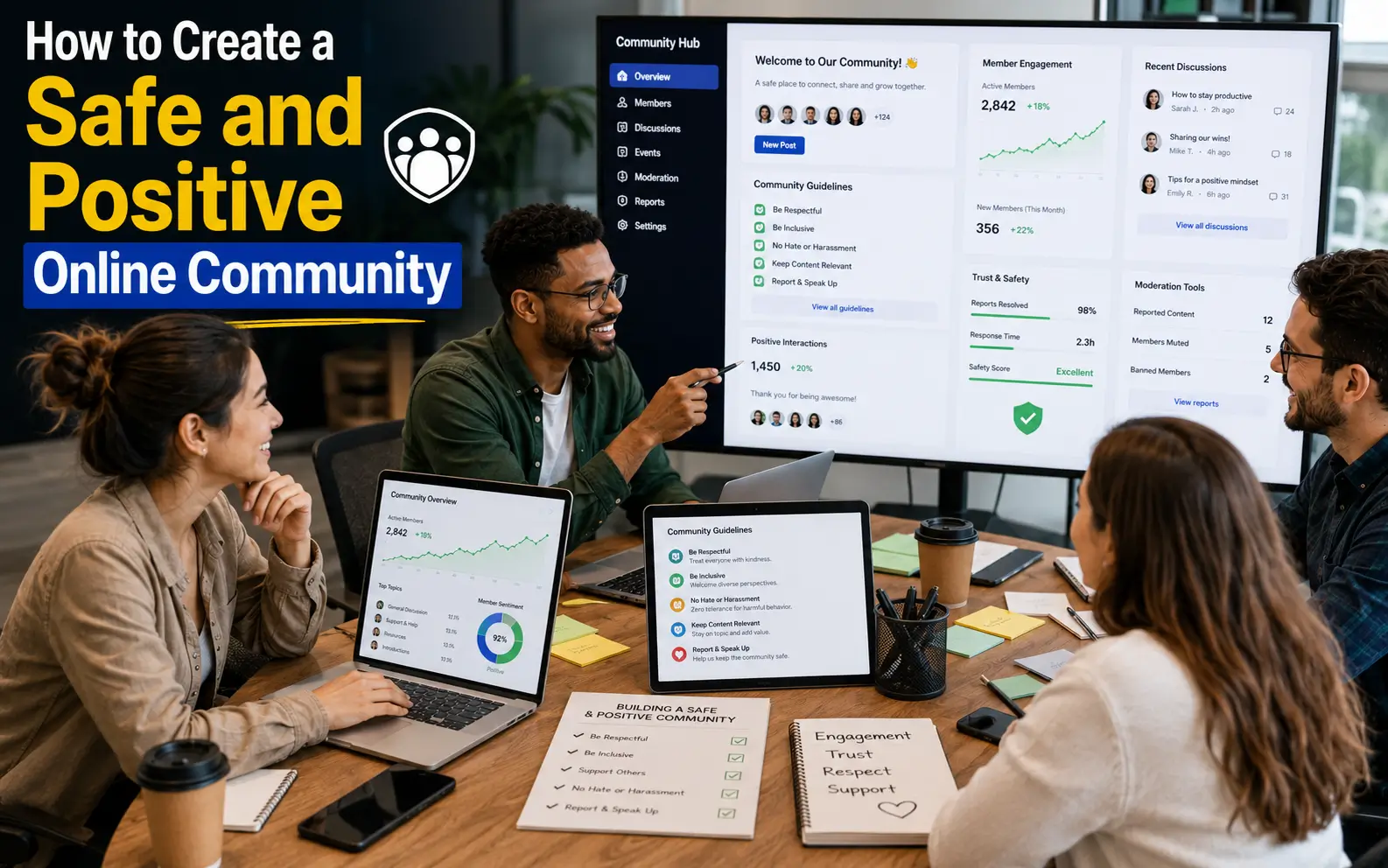
In today’s digital landscape, establishing clear community guidelines is vital for any online space. These guidelines ensure that individuals feel safe and respected while interacting. Platforms like YouTube exemplify this, as they manage a vast global network of users who must adhere to specific policies. This structure keeps the environment enjoyable for everyone.
As we move into 2026, the importance of clear expectations cannot be overstated. By defining rules early on, you provide a roadmap for how individuals should treat one another during every event or discussion. This guide will explore effective ways to structure your community rules, fostering a positive digital culture.
Moreover, we will examine how successful online spaces utilize specific rules to protect their members. This ensures meaningful participation and helps prevent toxic behavior. Ultimately, well-defined guidelines are essential for maintaining a productive and inclusive environment.

Introduction: Setting the Stage for Effective Communities
In the realm of online communication, creating structured expectations is vital. Establishing clear rules not only helps to define acceptable behavior but also fosters a sense of belonging among members. For instance, during the Contextualizing Your Research Workshop in Summer 2020, organizers implemented communal guidelines to ensure that every member could engage in productive discussion.
Establishing a safe space is a critical first step for any group. This approach helps prevent the reinforcing of harmful inequities and hierarchies. When you define the need for community guidelines, you create a framework that allows people to communicate with empathy and understanding.
Effective communities rely on clear rules to ensure that every event is inclusive. This ensures that the content shared remains aligned with the group’s values. By setting the stage early, new members can understand how to participate respectfully.
| Aspect | Importance | Example |
|---|---|---|
| Safe Space | Encourages open dialogue | Workshops with guidelines |
| Empathy | Fosters understanding | Conflict resolution sessions |
| Inclusivity | Welcomes diverse voices | Events with varied perspectives |
“A well-defined space is not just about restriction but about creating an environment where every member feels truly welcomed.”
Understanding the Purpose of Community Guidelines
Creating a thriving online space begins with understanding the essence of community guidelines. These guidelines serve as a foundation for interaction, shaping the culture of your digital environment. They clarify broad expectations while establishing specific rules that moderators enforce.
Building trust within your space is essential. Members should feel comfortable sharing their ideas without fear of judgment. This atmosphere encourages open dialogue and fosters a sense of belonging. Inclusivity goes beyond being a buzzword; it is a practice that ensures all people feel welcome.
When you differentiate between expectations and rules, you help members grasp the “why” behind your guidelines. Every event you host should reinforce these values, ensuring that the content shared aligns with your commitment to inclusivity. By focusing on trust, you encourage deeper contributions, strengthening the bonds between members.
| Purpose | Importance | Outcome |
|---|---|---|
| Clarifying Expectations | Shapes community culture | Improved member engagement |
| Building Trust | Encourages sharing | Stronger relationships |
| Promoting Inclusivity | Welcomes diverse voices | Enhanced participation |
“A well-structured set of guidelines acts as a foundation for a healthy community.”
Building Effective “community guidelines” for Long-Term Impact
Crafting effective rules is essential for fostering a thriving online environment. These rules act as a living document, evolving alongside your digital space. This ensures that people remain aligned with your mission and values.
When you prioritize culture, every event and interaction contributes to a positive atmosphere. Members feel valued and respected, enhancing their overall experience. Here are some key points to consider:
- Empowerment: Strategic guidelines help members self-regulate, reducing the need for constant moderation.
- Quality Content: By focusing on long-term impact, you create a sustainable community with high-quality interactions.
- Leadership: Leaders who view guidelines as assets can better navigate challenges as their communities grow.
Ultimately, the culture of your community is defined by the rules you set and how you enforce them during every event or discussion.
Defining Core Values and Member Behavior
Establishing core values is essential for guiding member behavior in any online space. These values set the tone for how members interact and contribute to the community. When you clearly define what is expected, it helps everyone understand how to engage positively.
Outlining prohibited actions is equally important. This includes behaviors like hate speech or harassment, which can harm the environment for all involved. By specifying what is not allowed, you empower moderators to enforce the rules fairly and consistently.
Every event should reflect these core values, ensuring that the content shared aligns with the community’s mission. Being explicit about acceptable behavior reduces confusion and helps new members integrate with confidence. A strong set of rules will always address prohibited actions to maintain a safe and respectful space.
Leaders play a crucial role in this process. They must ensure that their values are evident in every aspect of the community, from the guidelines they create to the events they organize.

Crafting Guidelines with Your Community
Engaging your members in the development of rules is a powerful way to create a positive atmosphere. This approach not only encourages participation but also fosters a sense of belonging. During the Contextualizing Your Research Workshop in Summer 2020, organizers discovered that involving participants in rule-making set a tone of empathy and listening.
When you craft guidelines with your members, you ensure that the rules reflect their actual needs and values. This collaborative effort can significantly enhance the sense of ownership within your space.
Using inclusive language in your guidelines is essential. It signals that your environment is welcoming to all. When members feel they have a voice in the process, they are more likely to uphold the rules and contribute positively.
Every event or discussion is an opportunity to refine your guidelines based on feedback. By involving your members in the creation of these rules, you cultivate a sense of ownership that is vital for long-term engagement and success.

| Technique | Benefit | Example |
|---|---|---|
| Member Engagement | Builds empathy | Workshops for feedback |
| Collaborative Events | Increases buy-in | Discussion forums |
| Inclusive Language | Welcomes diversity | Guidelines phrased positively |
“When people feel involved, they are more likely to contribute positively to the community.”
Writing and Implementing Clear Guidelines
Effective communication in digital spaces requires clear and straightforward rules. When members understand the expectations, they are more likely to engage positively.
Choosing direct and accessible language is essential. Every member of your space should easily grasp the rules without confusion. This clarity fosters a sense of trust and belonging.
Choosing Direct and Accessible Language
Pedro Hernandes, a Community Manager at Circle, advises that you should not overthink your guidelines but instead use templates to get started quickly. Simple language ensures that your rules are not just read but internalized by all participants.
Leveraging Examples, Templates, and Lists
Incorporating examples and lists within your guidelines helps members visualize what is expected during every event or interaction. Implementing your guidelines effectively means making them easy to find, such as pinning them in a prominent spot within your online platform.
- Clarity: Use straightforward language to enhance understanding.
- Accessibility: Make guidelines easy to locate for all members.
- Visual Aids: Utilize examples and lists to illustrate rules clearly.
By focusing on clarity, you empower moderators to enforce the rules effectively, ensuring that everyone feels protected and respected.
Real-World Examples and Case Studies
Examining case studies can reveal how specific rules enhance member experiences in various digital settings. Numerous platforms have successfully implemented community guidelines that foster positive interactions.
For instance, Duolingo manages millions of users by encouraging kindness and respecting cultural differences within their guidelines. This approach creates a welcoming environment for learners worldwide.
Women in Tech SEO maintains a safe space by emphasizing that there is no such thing as a stupid question. This fosters open dialogue and encourages participation from all members.
Peloton empowers its users by providing tools to block individuals and hide tags. This gives members control over their own experience, promoting a sense of security.
Additionally, Mila Clarke’s Glucose Guide Diabetes Support community on Circle features strong anti-intolerance policies, demonstrating empathy in handling sensitive topics.
These examples illustrate that effective rules are tailored to the specific needs of the people involved, ensuring that the content shared aligns with the community’s mission.

Tips for Enhancing Member Engagement
Active participation is the heartbeat of any successful online platform. To create a vibrant atmosphere, it is essential to foster an environment where members feel safe sharing their ideas. When people know their voices matter, they are more likely to engage.
Addressing violations with empathy is crucial. This approach allows you to correct behavior while maintaining trust with the member involved. When issues are handled consistently, it reassures everyone that the rules are there to protect the space, not to punish unfairly.
Every event you host should encourage interaction. This ensures that members feel valued and heard. By focusing on positive reinforcement, you can inspire members to model the behavior you want to see across your entire platform.
Leaders who prioritize growth over punishment are more likely to retain members. A healthy community thrives on high engagement, where the rules serve as tools for empowerment rather than mere restrictions.
Technology, Moderation, and Digital Tools
The intersection of technology and community management plays a crucial role in shaping online interactions. By leveraging digital tools, you can enhance the safety and engagement of your space.
YouTube, for instance, employs sophisticated moderation tools and Educational, Documentary, Scientific, and Artistic (EDSA) exceptions. This approach ensures that content remains safe while allowing for educational discourse.
Here are some best practices for effective online management:
- Automated Moderation: Implementing automated systems helps filter out spam and hate speech, protecting your members.
- Streamlined Enforcement: Use digital tools to simplify the enforcement of your rules during every event.
- Time Management: Technology allows you to focus on building deeper connections with people, rather than just managing issues.
- Consistent Monitoring: Ensure that all events are monitored to maintain the integrity of your community’s standards.
- Human Oversight: Balance automated tools with human judgment to handle nuanced interactions effectively.
By integrating the right digital solutions, you can create a more efficient space that supports the growth and health of your community.
Maintaining and Evolving Your Guidelines Over Time
In a dynamic digital space, evolving your rules is essential for meeting the changing needs of your members. Regular reviews of your community guidelines help ensure they stay relevant as your platform grows. This process is crucial for maintaining a safe and inclusive environment.
Integrating member feedback is another vital practice. By listening to the voices of your participants, you can refine your rules to better reflect the culture of your space. Every event or shift in community dynamics offers a chance to assess whether your guidelines are serving the people involved.
By evolving your guidelines over time, you show your commitment to the long-term success and safety of your entire community. Leaders should schedule quarterly reviews to update their rules, addressing any new challenges or trends that emerge. Involving members in this process reinforces the idea that the community is a collaborative space built by everyone.
A living set of rules is the hallmark of a thriving community, capable of adapting to the ever-changing digital landscape of 2026.
Conclusion
As we navigate the complexities of digital interactions, establishing clear rules is paramount. Creating effective community guidelines is a foundational step for any leader looking to build a safe, inclusive, and thriving digital space.
By clearly defining your expectations, you empower your members to contribute positively and protect the culture of your space. Remember that your guidelines should be a living document that evolves alongside your community, reflecting the feedback and needs of the people involved.
Whether you are managing a small group or a large platform, the principles of empathy, clarity, and consistency will always be your best tools. We hope this guide has provided you with actionable insights needed to implement rules that your members will respect and follow.
Start today by assessing your current community needs and taking the first step toward a more structured and engaging digital environment.
FAQ
Why are community guidelines important?
They help set clear expectations for behavior, ensuring a safe and respectful environment for all members.
How can I report a violation of the guidelines?
You can report any violations by contacting a moderator directly or using the designated reporting feature on the platform.
What should I do if I disagree with a guideline?
If you have concerns, it’s best to discuss them with moderators or participate in community feedback sessions to express your views.
How often should guidelines be reviewed?
Regular reviews, ideally every six months, help ensure that guidelines remain relevant and effective for the community.
Can members suggest changes to the guidelines?
Yes, member input is encouraged, and suggestions can be submitted during feedback periods or community meetings.
What types of behavior are prohibited?
Actions such as hate speech, harassment, and discrimination are strictly prohibited to maintain a welcoming atmosphere.
How can I engage more with the community?
Participate in discussions, attend events, and contribute content that aligns with the community’s interests and values.
What happens if someone violates the guidelines?
Violations may result in warnings, temporary suspensions, or permanent removal, depending on the severity of the action.
How can I help create a positive environment?
Support others, share constructive feedback, and adhere to the established guidelines to foster a welcoming space.
Are there any resources for understanding the guidelines better?
Yes, many communities provide resources, such as FAQs and guides, to help members understand the guidelines more thoroughly.