
Introductions:
Launching your first online community can be an exciting yet daunting task. As digital spaces become increasingly vital for connection and collaboration, understanding how to effectively plan and execute your community launch is crucial. This article provides a comprehensive checklist and strategic insights designed to guide you through each step of the process, from defining your community’s purpose to measuring its success post-launch. Whether you’re looking to foster discussions around a shared interest or build a support network, this guide will equip you with the tools and strategies necessary to create an engaging and thriving online community.
Understanding the Purpose of Your Online Community
Before you focus on growth, content, or platforms, you need absolute clarity on why your community exists in the first place. Purpose is what gives your community direction and meaning. Without it, you may attract people but they won’t stay, engage, or feel connected. A clear purpose acts as the foundation for every decision you make, from the type of content you create to the way you interact with members.
Your community’s purpose should go beyond just bringing people together. It should solve a specific problem, fulfilled a need, or create a meaningful experience. Are you helping people learn a skill, grow financially, stay motivated, or simply connect with like-minded individuals? When your purpose is well-defined, it naturally attracts the right audience people who resonate with your vision and are more likely to participate actively.
A strong purpose also helps you stay consistent. As your community grows, you’ll face decisions about what to allow, what to promote, and what direction to take. Having a clear “why” makes those decisions easier and prevents your community from losing focus or becoming too scattered.
Defining Community Values and Mission
To kick off your community with clarity and impact, you need to define your values and mission. Think of this as your community’s guiding compass without it, you’re just drifting without direction. Your mission explains what you aim to achieve, while your values define how you show up and interact as a community. Start by asking yourself a few key questions: What do you stand for? What kind of environment do you want to create? What behaviours will you encourage or discourage? Whether your focus is support, education, collaboration, or casual connection, your values should reflect the experience you want members to have.
Once defined, communicate these clearly from the beginning. This could be through a welcome post, community guidelines, or pinned content. When members understand the mission and values, they know what to expect and how to contribute. It also helps attract people who align with your vision while naturally filtering out those who don’t.
Your values and mission also shape your community culture. They influence tone, content style, and even how conflicts are handled. For example, if your value is respect and inclusivity, it should be visible in every interaction. If your mission is growth and learning, your content should consistently support that.
In the end, a well-defined purpose, mission, and set of values don’t just guide your community they give it identity. And when people connect with that identity, they don’t just join they belong.
Identifying the Benefits for Members
Why would someone want to join your online community? Spoiler alert it’s not just because you asked nicely. Members need to see the perks! Whether it’s networking opportunities, exclusive content, or the thrill of engaging discussions, lay out the benefits clearly. Make it enticing! If you can show them that being part of your community will make their lives a tad better reflective of their interests or even just more entertaining you’re already halfway to a successful launch.
Defining Your Target Audience
Creating User Personas
User personas are your ticket to understanding who you’re really talking to. Picture this: you’re not just addressing a faceless crowd; you have Alex, the avid gamer, and Sarah, the eco-conscious parent, tuned in. Craft personas that represent your ideal members, complete with their likes, dislikes, and online habits. This way, your community can be tailor-made to satisfy their specific needs and spam-free zones because who wants a community of random trolls?
Conducting Market Research
Market research is the foundation of building a successful and sustainable community. Before you invite members or create content, you need a clear understanding of who your audience is, what they care about, and where they currently spend their time online. Without this clarity, even the best ideas can fail to gain traction. Research helps you replace assumptions with real insights, allowing you to make smarter decisions from the very beginning.
Start by exploring online spaces where your potential members are already active. This could include discussion forums, niche groups, comment sections, and social media communities. Pay close attention to the conversations happening there. What questions are people asking repeatedly? What problems are they struggling to solve? What topics generate the most engagement? These signals reveal what truly matters to your audience.
Next, analyze your competitors. Look at existing communities or platforms in your niche and study how they operate. Notice what they do well such as content formats, engagement strategies, or onboarding experiences and identify where they fall short. Gaps in their offerings can become opportunities for you. For example, if members are complaining about lack of support, poor moderation, or irrelevant content, you can position your community as a better alternative that solves those issues.
Trends also play a key role in market research. Keep an eye on emerging topics, tools, or behaviors that are gaining popularity. This helps you stay ahead rather than trying to catch up later. At the same time, be realistic about challenges. Understand potential barriers like low engagement, content fatigue, or platform limitations so you can plan solutions early. Finally, organize your findings into clear insights. Define your ideal member profile, including their goals, pain points, and motivations. This will guide your content, tone, and overall community experience. The more deeply you understand your audience and the market landscape, the easier it becomes to create a community that feels relevant, valuable, and worth joining.
Setting Clear Objectives and Goals
Short-Term vs. Long-Term Goals
Goals are like the GPS for your community journey they help you stay on track. Start with short-term goals that are easy to tackle, like attracting your first 100 members or hosting your first event. They give you quick wins and a healthy dose of motivation. Then, think long-term. What does success look like in a year or five years down the line? Maybe it’s becoming the go-to hub for your niche or scaling to thousands of active members. Just be specific so that your community doesn’t end up wandering off into the digital abyss.
Measurable Success Metrics
To ensure your community isn’t just a digital ghost town, you need to establish measurable success metrics. Think engagement rates, growth in member numbers, or the frequency of discussions. Track these numbers like a hawk! By measuring what matters, you can spot trends, celebrate wins, and, if necessary, pivot your strategy before your community goes belly-up. Remember, what gets measured gets improved, so make numbers your new best friend.
Choosing the Right Platform for Your Community
Comparing Popular Community Platforms
Now comes the fun part: picking the right platform! There are a ton of options out there (hi, Discord, Facebook Groups, and Slack). But not every platform will fit your community’s vibe. Some are more suited for casual chats, while others are great for organized discussions or webinars. Make a list of what you need like user-friendliness, customization options, and mobile accessibility and start comparing. It’s like online dating, but instead of swiping left or right, you’ll want to find a perfect match for your community’s unique style.
Evaluating Features and Pricing
Once you’ve narrowed down your options, it’s time to dive into the nitty-gritty features and pricing. Look for tools that offer robust features that can grow with your community think forums, chat capabilities, and event management tools. And, of course, keep an eye on that budget! Free options are tempting, but they often come with limitations that could be a deal-breaker down the line. Weigh the features against the costs, and remember: you want to invest in something that will pay off with a thriving community.
Developing a Content and Engagement Strategy
A strong content and engagement strategy is what transforms a quiet community into a vibrant, active space. It’s not just about posting regularly it’s about delivering value, sparking conversations, and making members feel like they truly belong. Without a clear plan, even great communities can lose momentum. That’s why it’s important to design a strategy that balances consistency, creativity, and connection.
Start by defining your purpose. What do you want members to gain from your community knowledge, support, networking, or inspiration? Once that’s clear, build your content around those goals. Create a simple content calendar to maintain consistency and avoid last-minute posting. This doesn’t have to be complicated; even planning a week or two ahead can make a big difference. Consistency builds trust, and trust keeps members coming back.
Engagement should always be a two-way street. Instead of just broadcasting content, encourage participation. Ask questions, run polls, and invite opinions. Make it easy for members to contribute and be heard. When people feel acknowledged, they are far more likely to stay active and invested. Responding to comments and highlighting contributions can turn casual members into loyal advocates.
Types of Content to Share
Creating content that resonates with your community is the secret sauce to keeping your members engaged. Variety is key mix up your posts with how-to guides, informative articles, quick tips, and deep-dive discussions that provide real value. Educational content helps establish your authority, while practical advice keeps members coming back for solutions they can actually use.
At the same time, don’t underestimate the power of fun and relatability. Quizzes, polls, and light-hearted posts can break the monotony and make your community feel more human. Adding occasional memes or humorous content can boost interaction and create a sense of shared culture. People don’t just join communities for information they stay for the experience.
Another powerful element is inspirational and story-driven content. Share success stories, case studies, or behind-the-scenes moments that motivate members and make them feel connected to a bigger journey. Even better, encourage user-generated content. When members share their own experiences, achievements, or challenges, it builds authenticity and trust. Celebrate these contributions openly whether it’s a small win or a major milestone.
In the end, your content strategy should create a balance between value, interaction, and emotion. When members learn something useful, feel heard, and enjoy being part of the space, your community naturally grows stronger and more engaged over time.
Building Engagement Activities and Events
Engagement is like a first date awkward if not handled well! Plan regular activities to nurture those budding relationships. Organized weekly Q&A sessions, themed discussion days, or even virtual coffee hours (with or without actual coffee). Contests and challenges also work wonders who doesn’t love a little friendly competition? Make sure to encourage members to connect and collaborate; a vibrant community thrives on interaction.
Creating a Pre-Launch Marketing Plan
Building Anticipation Through Teasers
Teasers are your best friend! Think of them as the tantalizing aroma wafting from a kitchen everyone wants to know what’s cooking! Share sneak peeks, countdowns, or intriguing graphics that hint at the community vibe. Use questions or polls on social media to engage potential members and build excitement. The goal is to create a buzz that has people eagerly marking their calendars for launch day!
Utilizing Social Media and Email Marketing
Social media and email marketing are two of the most powerful tools for building awareness and driving early growth for your community. When used strategically, they don’t just attract attention they create anticipation, trust, and momentum before your community even launches. Think of social media as your discovery engine and email as your relationship builder. Together, they form a complete system for reaching and nurturing your audience.
Start with social media by showing up where your target audience already spends time. Instead of simply announcing your community, focus on storytelling and value. Share insights, tips, and relatable content that aligns with your niche. Give people a reason to follow you beyond promotions. Consistency is key here posting regularly keeps your brand visible and builds familiarity over time.
Use different content formats to keep things engaging. Short-form videos, carousels, and interactive posts like polls or Q&A sessions can help spark conversations. Behind-the-scenes content works especially well because it makes your audience feel involved in the journey. Show the process of building your community, share small wins, and even talk about challenges. This transparency creates a stronger emotional connection and makes people more invested in your launch.
At the same time, leverage email marketing to deepen that connection. Unlike social media, where algorithms control visibility, email gives you direct access to your audience. Start building an email list early and offer something valuable in return such as a free resource, early access, or exclusive insights. Once people join your list, nurture them with a sequence of thoughtful emails that educate, inspire, and build excitement. Your emails should feel personal and intentional, not overly promotional. Share useful content, sneak peeks, and updates about your community’s progress. You can also create a sense of exclusivity by offering early invites or special perks for subscribers. This makes your audience feel like insiders rather than just followers.
Finally, focus on creating shareable content across both channels. Whether it’s a helpful post, an engaging reel, or a valuable email, encourage your audience to pass it along. Word-of-mouth is one of the most effective growth drivers. When people resonate with your message, they naturally want to share it with others.
By combining the reach of social media with the intimacy of email marketing, you create a powerful ecosystem that not only attracts members but keeps them excited and engaged long before they officially join your community.
Launch Day: Executing Your Plan
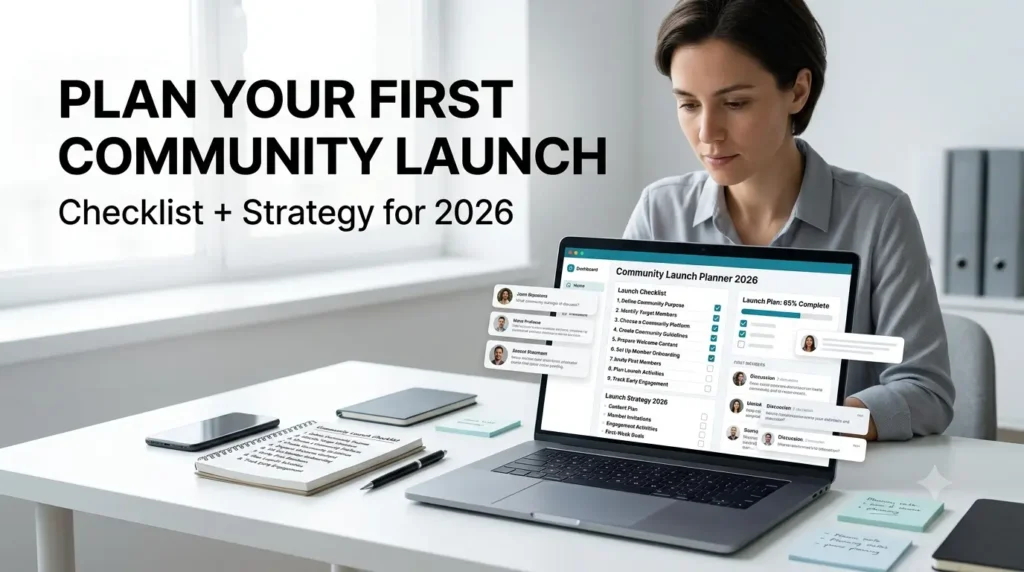
Final Checklist for Launch Day
The big day is here time to put your plan into action! Your checklist should include final content posts, ensuring all tech is functioning (hello, Wi-Fi gods!), and setting up moderation guidelines to keep the peace. Don’t forget to have a plan for welcoming new members think virtual confetti! Finally, keep a direct line open for any hiccups; tech gremlins are always lurking!
Engaging Early Members and Feedback Collection
Once you hit the launch button, it’s all about the people! Actively engage with your early members; respond to their posts and welcome them with open arms. This is also the perfect time to gather feedback. Create a simple poll or a suggestions thread ask what they love and what could be better. Their insights are golden and can help shape your community’s future.
Post-Launch: Measuring Success and Iterating
Launching your community is just the beginning the real growth happens after you go live. This phase is all about understanding what’s working, what’s not, and how you can continuously improve. Instead of guessing, you rely on real data and member behaviour to guide your next moves. A successful community isn’t built overnight; it evolves through consistent tracking, learning, and refining your approach.
Once your community is active, shift your focus to observation and analysis. Pay attention to how members are interacting, what content is performing well, and where engagement might be dropping. This isn’t about chasing perfection it’s about making small, informed improvements that compound over time. The more you listen to your data, the more aligned your community becomes with your members’ needs.
Iteration is key here. Don’t be afraid to experiment with different content formats, posting times, or engagement tactics. Try new ideas, measure the results, and keep what works. Communities thrive when they feel dynamic and responsive, not static. When members see that their behavior and feedback shape the experience, they feel more connected and valued. Analyzing Community Growth and Engagement
After your launch, it’s time for some detective work. Dive into the numbers and track key metrics like membership growth, daily activity, post engagement, and retention rates. These insights act as your community’s pulse, helping you understand how healthy and active your space really is.
Look beyond surface-level data and dig deeper into patterns. Are people consistently engaging with your posts, or is interaction dropping after a few days? Which topics spark the most conversations? Are certain types of content like guides, discussions, or polls driving more participation? These patterns reveal what your audience truly cares about.
It’s also important to identify silent signals. For example, if members join but don’t engage, it could indicate onboarding issues or lack of clarity. If engagement spikes at certain times, you can adjust your posting schedule accordingly. Every data point tells a story you just need to interpret it correctly.
Use these insights to refine your strategy. Double down on what works, improve what doesn’t, and remove what adds no value. Over time, this process helps you build a more engaging, responsive, and member-focused community. When you consistently measure and adapt, you don’t just maintain momentum you accelerate growth and create a community that keeps getting better with every iteration.
Gathering User Feedback for Improvements
Feedback isn’t just for launch day; it’s a continuous process! Regularly check in with your members to see how things are going. Consider creating a feedback loop through surveys or suggestion boxes (digital ones, of course). This approach not only makes your members feel heard but also opens the door for improvements and new ideas to enhance the community experience. After all, it’s their community too!In conclusion, launching your first online community is a journey that requires careful planning, strategic thinking, and ongoing engagement. By following the checklist and strategies outlined in this article, you can create a vibrant space that not only meets the needs of your members but also evolves over time. Remember, the key to a successful community lies in fostering connections and continuously adapting to feedback. Embrace the experience, stay committed, and watch your community flourish.
FAQ
What is the best platform for launching an online community?
The best platform depends on your community’s specific needs, such as features, pricing, and user experience. Popular options include Facebook Groups, Discord, and dedicated community platforms like Circle or Tribe.
How can I measure the success of my online community?
Success can be measured through various metrics, including member engagement rates, growth in membership numbers, and feedback collected from surveys and discussions. Setting clear objectives beforehand will help you define what success looks like for your community.
How often should I post content in my online community?
The frequency of posts can vary based on your community’s engagement levels and preferences. Generally, aim for a consistent schedule whether that’s daily, weekly, or bi-weekly while also remaining flexible to accommodate current events and member interests.
What should I do if my community is not engaging after launch?
If engagement is low, consider conducting surveys to gather feedback from members, reevaluating your content strategy, and hosting events or discussions that encourage participation. It’s important to remain adaptable and responsive to your community’s needs.