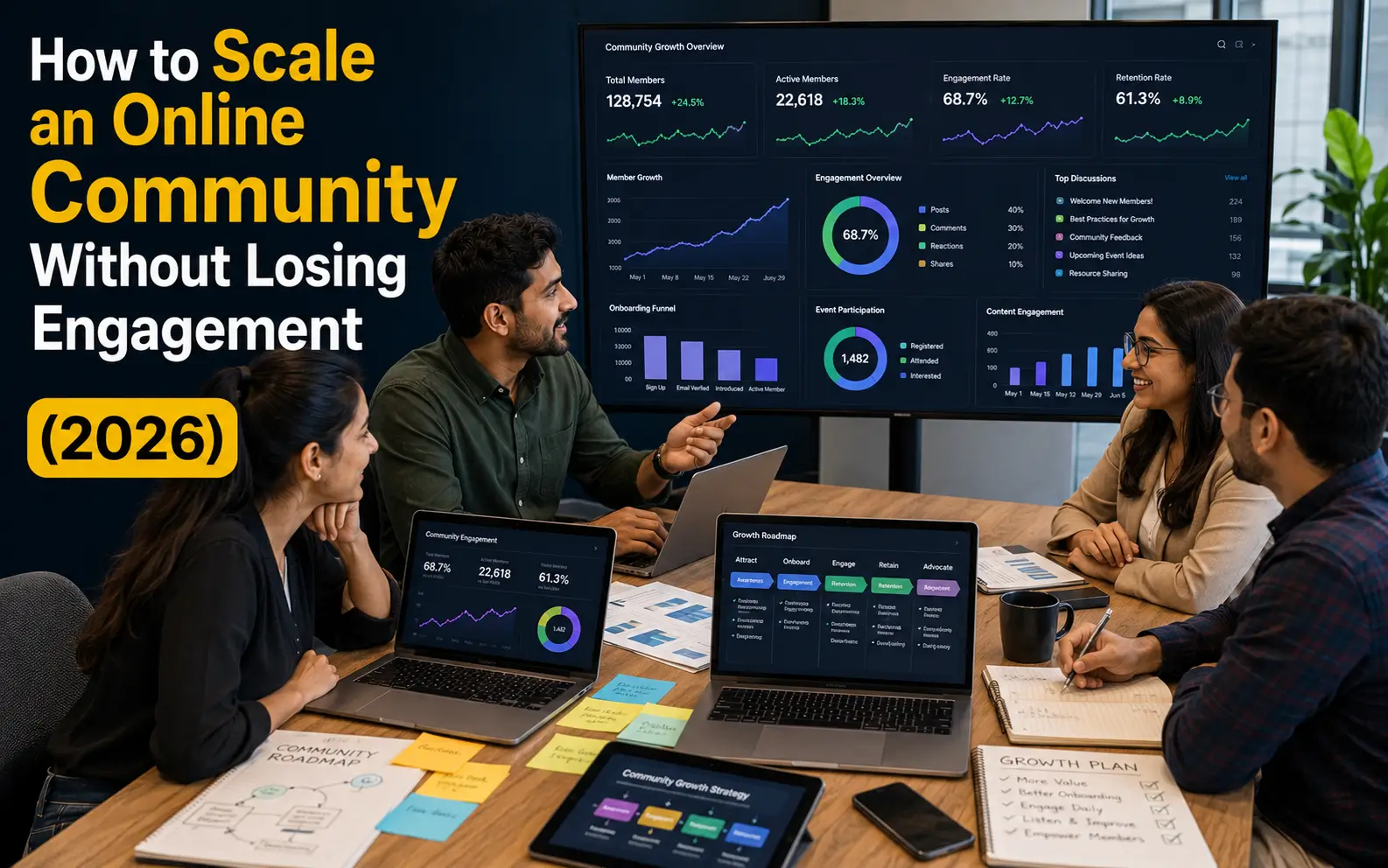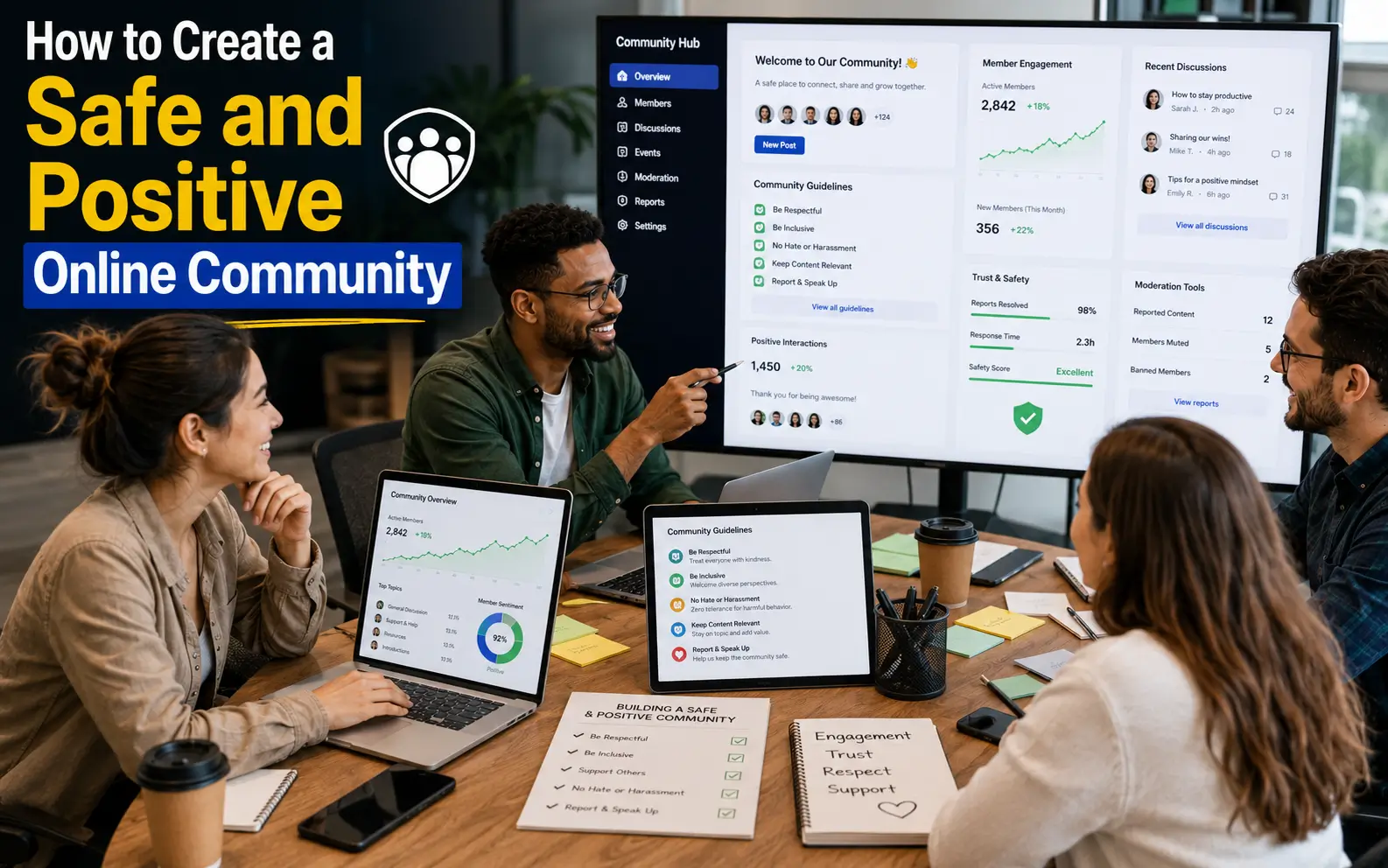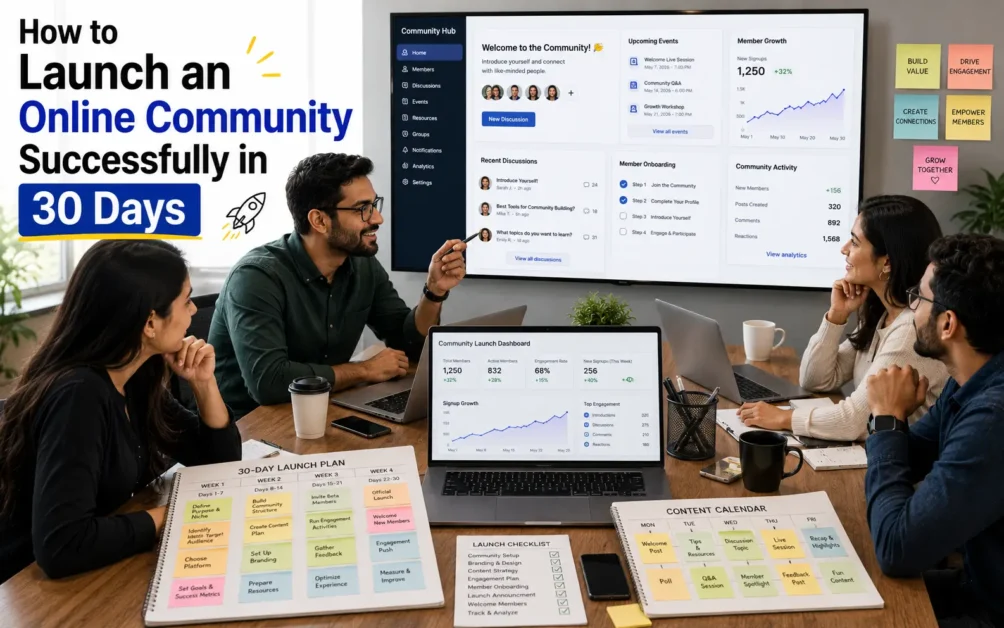
In today’s digital landscape, the importance of creating a thriving community cannot be overstated. According to recent statistics from Social.plus, millions of people are now engaging in virtual spaces, sharing memes, and exchanging valuable advice. This trend highlights a significant shift in how individuals connect and collaborate.
As we move into 2026, understanding the dynamics of these platforms is essential. Building a vibrant group requires more than just gathering people; it demands a clear purpose and a commitment to fostering meaningful interactions. Members should feel valued and inspired to share their unique knowledge and ideas.
Moreover, successful communities prioritize high-quality content and structured discussions. These elements not only keep members engaged but also promote professional growth. By leveraging the right platform, creators can transform a simple gathering into a dynamic hub that enriches the lives of its participants.

Key Takeaways
- Understanding digital spaces is crucial for building effective communities.
- Members thrive when they feel valued and can share their knowledge.
- High-quality content keeps participants engaged and encourages growth.
- A clear purpose attracts the right individuals to the group.
- Structured discussions enhance the quality of interactions.
The Value of Online Communities in Today’s Digital Landscape
The rise of digital platforms has transformed how people connect and engage. These virtual spaces offer unique opportunities for individuals to build relationships that transcend geographical limitations. With 98% of members reporting a sense of belonging, it’s clear that these groups foster meaningful connections.
Approximately 77% of users identify their most significant group as operating within a digital setting. This shift illustrates the growing importance of virtual interactions in both personal and professional realms. Organizations that invest in these platforms can see engagement improve by up to 21% through consistent interaction.
By breaking down barriers, these spaces allow people from various backgrounds to share experiences and interests. This sharing enhances the value of these communities, turning casual connections into lasting relationships.
| Statistic | Value |
|---|---|
| Sense of Belonging | 98% |
| Most Important Group Online | 77% |
| Engagement Improvement | Up to 21% |
Defining a Successful Online Community
As we navigate the digital age, understanding the essence of community becomes increasingly vital. A successful group thrives on a shared purpose, allowing members to express themselves and feel heard. This dynamic is essential for fostering a space where individuals are not just passive consumers of content.
For instance, Sheena Collier’s #BostonWhileBlack initiative showcases the power of identity-based groups. It grew into a vibrant community of 1,300 members, demonstrating how shared interests can drive engagement. According to social identity theory, when members feel that their identity is tied to the group, they form deeper connections.
Moreover, communities must work towards common goals. This ensures that the space remains focused on mutual growth and collaboration. Unlike traditional social media followings, a true community fosters a sense of belonging, encouraging members to return time and again.
By prioritizing these characteristics, creators can build a thriving digital space that promotes collaboration and high-value interactions.
Building an Active Online Community
The foundation of a successful network lies in the ability to connect people meaningfully. Creating a vibrant space involves establishing clear rules and moderation guidelines. This ensures that all members feel safe and respected while participating in discussions.
Successful groups often incorporate gamification elements, such as badges or leaderboards. These features encourage members to engage more actively and share their knowledge. Additionally, offering exclusive content or early access perks significantly increases the value members receive.
Regular feedback loops are essential for community managers. They allow for adjustments to strategies, ensuring the platform meets the evolving needs of its members. Hosting icebreaker activities can also help newcomers feel comfortable and ready to participate.
A truly engaging community relies on consistent efforts from moderators. They maintain quality and prevent toxic behavior from disrupting the group.
Exploring Different Types of Online Communities
Diverse types of digital spaces cater to various interests and needs, fostering unique connections among members. Each type serves a distinct purpose, enriching the experiences of those involved.
Professional networks like LinkedIn and AngelList connect individuals for career growth and collaboration. These platforms are invaluable for professionals seeking industry insights and networking opportunities.
Gaming communities, such as the r/gaming subreddit and Minecraft Official Discord, thrive on shared interests and competitive spirit. They create engaging environments for players to connect and share experiences.
Learning communities, including Coursera and Khan Academy, provide members with access to educational resources and expert guidance. These spaces are designed to promote knowledge sharing and personal growth.
Hobby groups, like Ravelry for knitting or Flickr for photography, allow users to showcase their creative work and receive feedback. These platforms foster a sense of belonging among like-minded individuals.
Lastly, social good communities like Change.org empower members to mobilize for important causes. They highlight the potential of collective action to address global issues.

Strategies for Fostering Engagement and Member Interaction
Engagement is the lifeblood of any thriving digital space. To keep members active and involved, community managers should employ various strategies that encourage participation and collaboration.
One effective method is to utilize interactive content, such as polls and live Q&A sessions. These tools allow members to express their opinions and foster a sense of belonging.
Discussion techniques like “Ask Me Anything” (AMA) events help bridge the gap between experts and members. This creates a collaborative environment where everyone can learn and share knowledge.
Encouraging user-generated content, such as images or videos, gives members a sense of ownership. This keeps the platform fresh with diverse perspectives, enhancing the overall experience.
Structured forum sections allow members to ask questions and receive peer-to-peer assistance. Regular challenges or group projects can also motivate members to stay active and build stronger connections.
By consistently facilitating these interactions, organizers ensure that the space remains dynamic. Members will feel valued and heard, leading to a thriving community.
Leveraging Platforms and Software for Community Growth
Choosing the right tools can significantly enhance the growth of your group. Various platforms, such as Bevy, Slack, and Discord, offer unique features tailored for different needs. Selecting the best software is crucial for creating a supportive environment where members can thrive.
Dedicated community software often provides a better user experience than traditional social media. These platforms focus on networking and knowledge sharing, which are essential for fostering relationships among members. Many modern tools come with built-in features like member directories and private messaging, making it easier for professionals to connect.
When evaluating options, consider how well the software aligns with your specific goals. Whether you want to host webinars or manage memberships, the right platform can help you achieve these objectives. A centralized knowledge hub can also serve as a valuable resource for training materials, enhancing the learning experience.
By leveraging these digital tools, community leaders can automate administrative tasks. This allows more time to focus on building meaningful interactions among members. Remember, “The right tools can transform a simple gathering into a thriving hub of collaboration.”

Maximizing Learning and Networking Opportunities
Maximizing opportunities for learning and networking is crucial in today’s interconnected world. Professional networks and mastermind groups play a significant role in fostering growth and collaboration among members.
Mastermind groups, a concept popularized by Napoleon Hill, allow entrepreneurs to exchange ideas and lessons from their professional experiences. The International Coaching Federation estimates that there are over 100,000 coaches globally, generating $4.5 billion in the U.S. alone.
Peer mentorship within these groups provides members with the support they need to navigate complex career transitions and business challenges. Unlike one-on-one coaching, group coaching communities allow professionals to scale their impact while helping members learn from each other’s unique experiences.
Skill sharing sessions enable members to master new topics, from digital marketing to graphic design, through collaborative learning and peer feedback. By participating in these professional networks, individuals can access insider tips and job leads that are often unavailable through traditional channels.
| Opportunity Type | Description | Value |
|---|---|---|
| Mastermind Groups | Collaborative sessions for idea exchange | Enhanced learning and networking |
| Peer Mentorship | Support during career transitions | Guidance from experienced members |
| Skill Sharing | Collaborative learning on various topics | Access to diverse knowledge |
Planning Regular Events and Interactive Sessions
Planning events is a key strategy for maintaining engagement and building connections. Regularly scheduled activities help members feel valued and part of a shared purpose. These gatherings create opportunities for individuals to come together, share ideas, and strengthen their relationships.
Virtual events have evolved significantly. Platforms now offer breakout discussion rooms and casual networking times to replicate in-person interactions. For example, Martinus Evans founded the Slow AF Run Club, a thriving group that brings together 20,000 members through both virtual and physical events.
Hosting regular live Q&A sessions allows community leaders to address member questions directly. This fosters transparency and trust within the group. Event communities encourage conversations to start well before the actual date and continue long after the session has concluded.
By planning consistent interactive sessions, organizers can keep the community momentum going. These events provide unique opportunities for members to “bump into” each other in virtual environments, enhancing their social connections and shared interests.

Best Practices and Pitfalls in Community Management
Creating a successful space involves understanding the dynamics of member interactions and expectations. Effective community management requires establishing clear moderation guidelines. This helps prevent toxic behavior and maintains a respectful environment for all members.
The Bubble.io support community serves as a prime example of how peer-to-peer assistance can scale to include over 2 million members. Continuous feedback loops are essential for identifying potential pitfalls, such as over-moderation or a lack of focus in group discussions.
Community managers should prioritize safety and inclusivity. Ensuring that members feel comfortable sharing their personal experiences and asking questions is vital. Avoiding the pitfall of “attention hogging” by a few members is crucial for maintaining equal power dynamics.
By implementing these best practices, leaders can build a resilient community that provides ongoing support and value to its members. As the saying goes, “A strong community is built on trust and shared experiences.”
Conclusion
Building a thriving network hinges on the ability to inspire and connect individuals. Thoughtful planning and active engagement are essential for success in 2026. Whether you manage a professional network or a niche hobby group, fostering genuine relationships among members is key.
By leveraging the right platforms and adhering to best practices, you can create a space that delivers long-term value. Successful groups prioritize a shared purpose and encourage members to share their unique knowledge.
Start your journey today by defining your ideal member and creating an environment where people feel heard and valued. The path to growth and engagement begins with you!
FAQ
What are the benefits of joining an online community?
Being part of a digital space allows individuals to connect with like-minded people, share knowledge, and gain support. It enhances networking opportunities and fosters personal growth through shared experiences.
How can I engage members effectively?
Engaging members can be achieved through interactive content, regular discussions, and encouraging feedback. Hosting events and creating spaces for sharing ideas also promote active participation.
What types of online communities exist?
There are various types of groups, including social networks, professional forums, gaming communities, and hobby-focused spaces. Each serves different interests and purposes, catering to diverse audiences.
How do I choose the right platform for my community?
Selecting the appropriate platform depends on your community’s goals and the features needed. Consider options that support networking, content sharing, and member interaction to ensure growth and engagement.
What are some best practices for community management?
Effective management includes setting clear rules, moderating discussions, and ensuring continuous feedback. It’s essential to create a welcoming environment that encourages participation and values member contributions.
How can I measure the success of my online community?
Success can be gauged through member engagement metrics, feedback surveys, and the growth of connections within the group. Monitoring participation in events and discussions also provides insights into community health.