Starting your own online community doesn’t have to take months of planning. You can launch a thriving community in just 7 days with the right strategy and tools.
This guide is for entrepreneurs, marketers, and business owners who want to build engaged communities around their brand, cause, or shared interests. You’ll learn how to go from idea to active community in one week.
We’ll walk you through choosing the perfect platform for your needs, creating content that sparks conversations from day one, and building a founding member base that drives organic growth. You’ll also discover proven engagement strategies to keep members coming back and community management tips that save you time while boosting participation.
Ready to turn your community vision into reality? Let’s build something amazing together.
Define Your Community Purpose and Target Audience

Identify the specific problem your community will solve
Every successful online community starts with a burning problem that needs solving. Your community shouldn’t exist just because you think it’s a cool idea – it needs to address a real pain point that people face regularly. Think about the moments when you’ve searched for answers online and came up empty-handed, or when you’ve felt isolated in your struggles.
Start by brainstorming specific challenges within your niche. Maybe parents of autistic children struggle to find age-appropriate activities, or freelance graphic designers can’t find reliable feedback on their work. Perhaps small business owners in your city lack networking opportunities, or people learning Spanish feel overwhelmed by grammar rules without practical application.
The key is getting granular. Instead of saying “help people with fitness,” narrow it down to “help working moms find 20-minute workouts they can do at home without equipment.” This specificity helps you create focused content and attracts members who genuinely need what you’re offering.
Test your problem hypothesis by joining existing communities, forums, and social media groups where your target audience hangs out. Look for recurring complaints, questions that get asked repeatedly, and gaps in current solutions. Save screenshots of these conversations – they’ll become goldmines for content creation later.
Research your ideal community members’ needs and preferences
Understanding your future members goes beyond basic demographics. You need to dig into their daily routines, frustrations, communication styles, and where they currently seek help. Create detailed member personas by conducting surveys, interviews, and social media research.
Pay attention to the language your ideal members use. Do they prefer casual conversation or professional discourse? Are they early adopters who love trying new platforms, or do they stick with familiar tools? What time zones are they in, and when are they most active online?
Research their existing online behavior by examining:
- Current hangout spots: Which Facebook groups, Reddit communities, or Discord servers do they frequent?
- Content preferences: Do they prefer video tutorials, written guides, infographics, or live discussions?
- Engagement patterns: Are they lurkers who rarely post, or active participants who love sharing experiences?
- Pain points with existing solutions: What frustrates them about current communities or resources?
Create a simple research document tracking common themes. If you’re building a community for solopreneurs, you might discover they struggle with isolation, need accountability partners, and prefer async communication due to busy schedules.
Create a clear mission statement that resonates with potential members
Your mission statement acts as your community’s north star, guiding every decision from content creation to moderation policies. It should be memorable, specific, and emotionally compelling – something members can easily share when recommending your community to others.
Avoid generic statements like “bringing people together” or “sharing knowledge.” Instead, craft something that speaks directly to your members’ aspirations and struggles. Here are some examples of strong community mission statements:
| Weak Mission | Strong Mission |
|---|---|
| “Help entrepreneurs succeed” | “Give solo founders the support system they never had – because building a business shouldn’t feel lonely” |
| “Share photography tips” | “Help everyday photographers capture life’s precious moments with confidence, not confusion” |
| “Support working parents” | “Create a judgment-free space where working parents can find practical solutions and genuine encouragement” |
Test your mission statement with potential members before finalizing it. Share it in one-on-one conversations and see if their eyes light up. If they ask follow-up questions or share their own related struggles, you’re on the right track.
Your mission should also reflect your community’s personality. Will you be the supportive, nurturing space or the direct, no-nonsense resource hub? This tone will influence everything from your community name to your moderation approach.
Establish measurable goals for community growth and engagement
Setting clear metrics from day one prevents you from chasing vanity numbers that don’t actually indicate community health. While member count matters, engagement quality often matters more. A community with 100 highly active members can be more valuable than one with 1,000 passive observers.
Define both short-term and long-term goals across different categories:
Growth Metrics:
- Member acquisition rate (aim for steady growth, not explosive spikes)
- Member retention (what percentage stay active after 30, 60, 90 days?)
- Referral rate (how many new members come from existing ones?)
Engagement Metrics:
- Daily active members percentage
- Posts per member per week
- Response rate to community questions
- Time spent in the community
- Cross-member interactions (not just member-to-admin)
Value Metrics:
- Problem-solving success rate (how often do members get helpful answers?)
- Member satisfaction scores
- Real-world outcomes (job placements, business growth, skill improvements)
Set realistic timelines for your goals. In your first 30 days, focus on establishing consistent activity rather than massive growth. A good initial target might be 50 engaged members who post regularly, rather than 500 members who barely participate.
Track your metrics weekly, but don’t panic over short-term fluctuations. Community growth rarely follows a straight line – expect plateaus, seasonal variations, and occasional dips. The key is maintaining overall upward momentum while keeping your core mission in focus.
Choose the Right Platform and Set Up Your Space
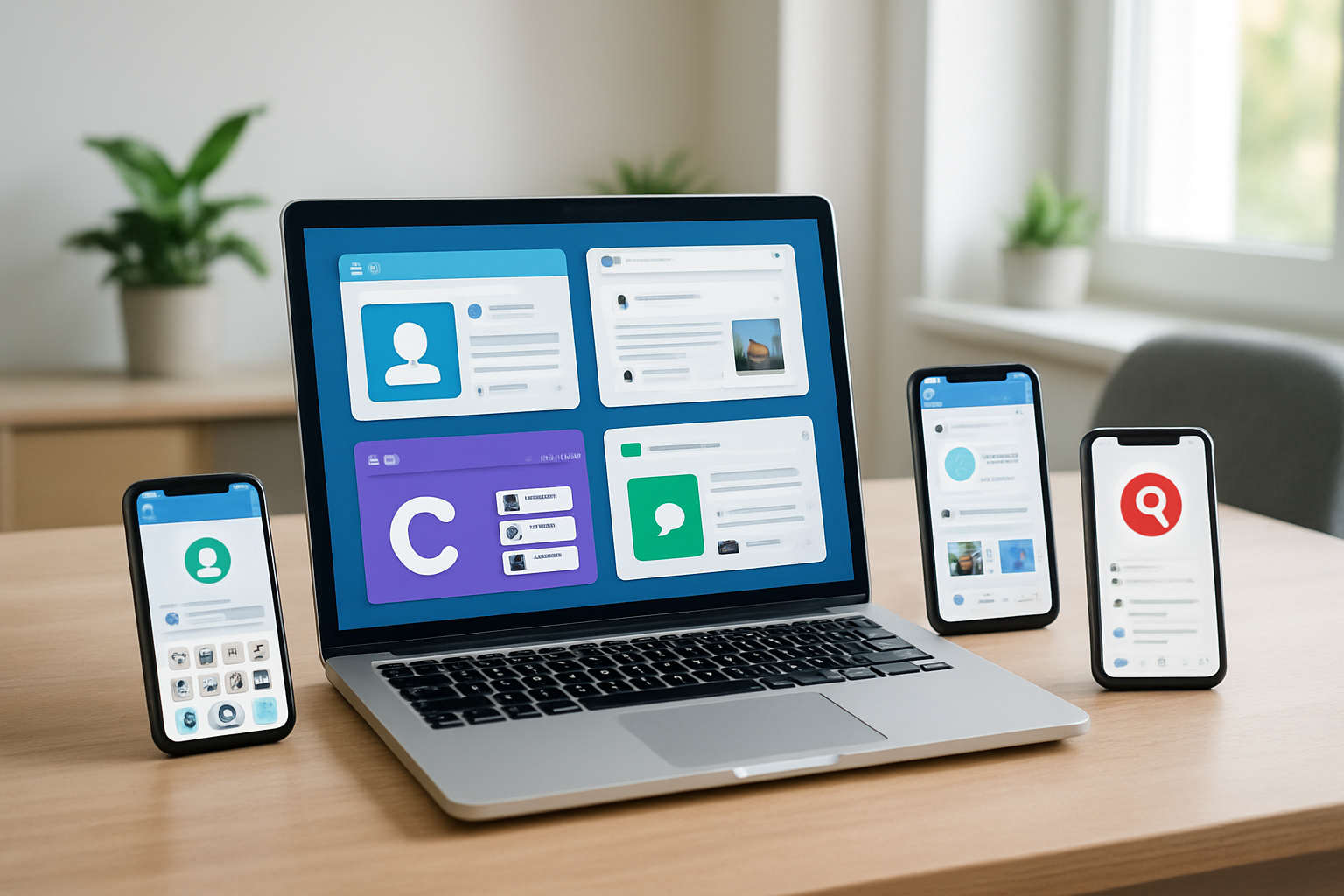
Compare Popular Community Platforms Based on Your Audience Needs
Picking the right platform can make or break your community before it even gets off the ground. Each platform comes with its own personality, features, and natural audience behavior patterns.
Discord works best for real-time conversations and younger audiences who love gaming, tech, or creative spaces. The voice channels and instant messaging create an intimate feel, but the learning curve might intimidate less tech-savvy members. Discord shines when you want casual, ongoing chats rather than formal discussions.
Facebook Groups tap into the massive user base that already checks the platform daily. The familiar interface means zero learning curve for most people, and the built-in discovery features help grow your community organically. However, Facebook’s algorithm can limit your reach, and younger audiences increasingly avoid the platform.
Circle and Mighty Networks offer more sophisticated community features like courses, events, and member directories. These platforms work well for professional communities, coaching groups, or educational content. The trade-off is a smaller built-in audience and higher costs.
Reddit provides incredible reach and engagement potential, especially for niche topics. The upvoting system naturally surfaces the best content, but moderation can be challenging, and you’re building on someone else’s platform.
| Platform | Best For | Pros | Cons |
|---|---|---|---|
| Discord | Gaming, Tech, Creative | Real-time chat, Voice channels | Learning curve, Can feel chaotic |
| Facebook Groups | General audiences | Huge user base, Easy discovery | Algorithm limits, Declining younger users |
| Circle/Mighty Networks | Professional, Educational | Advanced features, Clean design | Higher cost, Smaller reach |
| Niche topics | Massive reach, Great engagement | Limited control, Moderation challenges |
Configure Essential Community Settings and Privacy Controls
Your community settings create the foundation for how members interact and what behavior you’ll encourage. Start with privacy levels that match your goals. Public communities grow faster through search and recommendations, but private groups create exclusivity and deeper trust.
Set up clear membership approval processes. Automatic approval works for broad-topic communities, but requiring applications or screening questions helps filter out spammers and ensures new members understand your community’s focus.
Configure notification settings carefully. Members want to stay informed without feeling overwhelmed. Default to moderate notification levels and let individuals adjust based on their preferences. Too many notifications will drive people away faster than almost anything else.
Establish posting permissions that prevent chaos while encouraging participation. Consider allowing all members to post but requiring approval for new members’ first few posts. This catches spam while letting genuine contributors share immediately.
Create content categories or channels that organize discussions logically. A fitness community might have separate spaces for nutrition, workout routines, and progress sharing. Clear organization helps members find relevant conversations and prevents important posts from getting buried.
Design an Attractive and User-Friendly Community Layout
First impressions matter tremendously in online communities. Your cover image, description, and initial content set expectations for the entire experience.
Choose a cover image that immediately communicates your community’s purpose. Avoid generic stock photos in favor of images that reflect your specific niche or brand. A cooking community might show a vibrant farmers market scene, while a tech community could feature a clean, modern workspace.
Write a compelling community description that answers three questions: What is this community about? Who belongs here? What can members expect to gain? Keep it concise but specific enough that visitors immediately understand whether they’ve found their tribe.
Pin essential posts at the top of your community. Create a welcome post that introduces new members to community guidelines, popular discussion topics, and ways to get started. Add posts for frequently asked questions and community resources.
Design a logical content flow that guides members naturally through your space. Place community guidelines prominently but not obtrusively. Create clear pathways from general discussions to more specific topics.
Consider member recognition features like badges, leaderboards, or member spotlights. These elements gamify participation and give active contributors visible status, encouraging continued engagement.
Test your community layout from a new member’s perspective. Join with a test account and navigate through the experience. Note any confusion points or barriers that might prevent someone from participating in their first few visits.
Create Compelling Content and Community Guidelines

Develop a content calendar with engaging discussion topics
A solid content calendar serves as your community’s heartbeat, keeping conversations flowing and members coming back for more. Start by mapping out your first month with a mix of content types that spark different kinds of engagement. Weekly themes work wonders – Monday motivation posts, Wednesday wisdom shares, or Friday fun challenges create predictable touchpoints members can anticipate.
Your discussion topics should balance evergreen content with timely, relevant conversations. Ask yourself what keeps your target audience awake at night, what excites them, and what challenges they face daily. Industry beginners might love “Mistake Monday” threads where people share learning experiences, while seasoned professionals might engage more with strategic deep-dives or trend analysis.
Create a content mix that includes:
- Question prompts that encourage personal sharing
- Poll discussions for quick engagement and data gathering
- Resource sharing threads where members contribute valuable tools or links
- Challenge-based content that gets people actively participating
- Behind-the-scenes glimpses that build authentic connections
Schedule posts for when your audience is most active. Test different times and track engagement patterns during your first week to optimize your posting schedule.
Write clear community rules and participation guidelines
Crystal-clear guidelines prevent confusion and create a safe space where meaningful conversations can flourish. Your rules shouldn’t read like a legal document – write them in your community’s voice and explain the “why” behind each guideline.
Essential rules to cover:
| Rule Category | Key Points |
|---|---|
| Respectful Communication | No personal attacks, constructive criticism only, disagree with ideas not people |
| Content Standards | Stay on-topic, no spam or excessive self-promotion, original thoughts encouraged |
| Privacy & Safety | No sharing personal info of others, respect confidentiality, report concerns |
| Engagement Expectations | Quality over quantity, search before asking, contribute meaningfully |
Keep your rules visible and reference them naturally in conversations. When someone bends a rule, address it privately first with a gentle reminder rather than public callouts that can create tension.
Prepare welcome messages and onboarding materials for new members
First impressions matter enormously in online communities. Your welcome sequence should make new members feel valued while giving them clear next steps to become active participants. Design a multi-touchpoint onboarding experience that unfolds over their first few days.
Your welcome message should include:
- A warm, personal greeting that reflects your community’s personality
- Quick overview of what makes your community special
- Direct links to popular discussions or resources
- Clear instructions for their first post or comment
- Introduction to key community members or moderators
Create an onboarding checklist new members can follow:
- Complete your profile with a photo and brief bio
- Introduce yourself in the designated welcome thread
- Browse recent discussions to get a feel for conversation style
- Ask your first question or share an insight
- Connect with 2-3 other members through comments or direct messages
Consider assigning “community buddies” – established members who can personally welcome newcomers and help them navigate their first week. This human touch transforms a cold digital experience into something genuinely welcoming.
Plan exclusive content that provides immediate value
Exclusive content gives members a compelling reason to stay engaged and attracts new people to join. This content should deliver value that members simply can’t find anywhere else – whether through unique insights, expert access, or collaborative opportunities.
Brainstorm exclusive content ideas that align with your community’s purpose:
- Expert AMA sessions with industry leaders
- Member spotlights that celebrate community achievements
- Collaborative resources like shared templates, guides, or toolkits
- Early access to relevant news, trends, or opportunities
- Private networking opportunities or skill-sharing sessions
Your exclusive content calendar should include both scheduled regular features and spontaneous bonus content. Monthly expert interviews might be planned months ahead, while surprise “flash discussions” about breaking news keep the community feeling dynamic and responsive.
Remember that exclusive doesn’t always mean elaborate. Sometimes the most valuable content comes from fostering genuine peer-to-peer connections and creating spaces for authentic conversations that members treasure.
Build Your Founding Member Base

Leverage Your Existing Network to Recruit Initial Members
Your personal and professional networks are gold mines waiting to be tapped. Start by creating a list of everyone you know who might be interested in your community’s topic. This includes friends, family members, colleagues, former classmates, and anyone you’ve met through hobby groups or professional associations.
Reach out to these contacts with personalized messages explaining your new community. Don’t send generic invitations – people can smell mass messages from a mile away. Instead, craft individual messages that reference your relationship and explain why you think they’d specifically benefit from joining. For example, if you’re creating a photography community, remind your friend Sarah about those weekend photo walks you used to take together and how she’d love connecting with other photography enthusiasts.
Consider hosting a virtual launch event or preview session exclusively for your network. This creates a sense of exclusivity and gives people a sneak peek of what they can expect. Many people are more likely to join something when they see familiar faces already participating.
Don’t forget about your professional connections. LinkedIn can be particularly powerful for business-focused communities. Share updates about your community launch and engage with your connections’ posts to stay visible. People you’ve worked with in the past often become some of your most enthusiastic early supporters because they already trust your expertise and judgment.
Use Social Media Strategies to Attract Your Target Audience
Social media platforms are where your future community members are already hanging out, making them perfect hunting grounds for recruitment. Start by identifying which platforms your target audience prefers. Gen Z might be scrolling TikTok, while professionals might be more active on LinkedIn or Twitter.
Create a content strategy that showcases what your community will offer without giving everything away for free. Share valuable tips, behind-the-scenes content about building the community, and teasers about upcoming discussions or events. This demonstrates your expertise while building anticipation for the full community experience.
Instagram Stories and LinkedIn posts work particularly well for sharing the community-building journey. People love following along with someone’s entrepreneurial adventure, and documenting your process helps build an audience of people invested in your success.
Use relevant hashtags strategically, but don’t go overboard. Research hashtags that your target audience actually follows, not just the most popular ones. Niche hashtags often yield better engagement rates than oversaturated ones.
Engage authentically with other accounts in your space. Comment thoughtfully on posts, share others’ content when it aligns with your community’s values, and participate in conversations. This organic engagement often leads to followers checking out your profile and discovering your community.
Partner With Influencers or Complementary Communities for Cross-Promotion
Strategic partnerships can exponentially increase your reach without breaking the bank. Look for influencers, content creators, or other community leaders who serve similar audiences but aren’t direct competitors. Someone running a business networking group might partner with a community focused on entrepreneurship skills – the audiences overlap but the focus differs enough to avoid competition.
Reach out to potential partners with specific collaboration ideas rather than vague partnership requests. Suggest guest posting exchanges, joint live events, or member swap arrangements where each community recommends the other to their members. Make sure any partnership offers clear value to both sides.
Consider offering early influencers special roles or recognition within your community. Many micro-influencers and content creators appreciate being founding members or having special badges that recognize their contribution to the community’s growth.
Guest appearances on podcasts, YouTube channels, or other communities’ events can introduce you to hundreds or thousands of potential members at once. Prepare compelling stories about why you started the community and what unique value it provides. People join communities because of the people running them, so let your personality shine through.
Cross-promotion works best when it feels natural rather than forced. Focus on building genuine relationships with other community builders and content creators in your space. These relationships often lead to organic opportunities for member sharing and mutual support that benefit everyone involved.
Launch With Impact and Generate Buzz

Execute a coordinated launch across all your marketing channels
Your launch day deserves maximum visibility across every platform you have access to. Start by preparing your content calendar at least 48 hours in advance, scheduling posts across social media, email newsletters, and any existing websites or blogs you maintain. Each channel should have tailored content that fits its unique format and audience expectations.
Create a launch announcement email for your existing contacts, explaining what your community offers and why they should join immediately. On social media, use eye-catching visuals and compelling captions that highlight the exclusive benefits of being among the first members. Consider posting countdown content leading up to launch day to build anticipation.
Don’t forget about indirect channels like LinkedIn articles, guest posts on relevant blogs, or mentions in industry newsletters. Reach out to contacts who might share your announcement with their networks. The key is creating multiple touchpoints so your target audience encounters your community launch from different angles throughout the day.
Host a live launch event or Q&A session to create excitement
Nothing beats the energy of a live event to kick off your community. Choose a platform your target audience already uses – whether that’s Instagram Live, YouTube, Clubhouse, or a simple Zoom call. Plan for 30-60 minutes of engaging content that showcases your expertise while giving people a taste of what community membership will offer.
Structure your live session with a brief introduction to the community’s mission, a demonstration of key features or benefits, and plenty of time for audience questions. This interactive element makes people feel heard and valued from day one. Share exclusive insights, tips, or announcements that attendees can’t get anywhere else.
Promote your live event at least a week in advance and send reminders leading up to it. Record the session so you can share highlights later and give people who missed it a chance to catch up. Consider offering a special incentive for people who join during the live event, like early access to premium content or a direct connection with you.
Encourage founding members to invite their connections
Your founding members are your most valuable asset for organic growth. These early adopters already believe in your vision and can authentically recommend your community to their networks. Create a simple referral system that makes it easy for them to share, whether through personalized invitation links or shareable content templates.
Provide your founding members with talking points about why the community matters and what makes it special. Many people want to help but don’t know what to say, so give them the words. Create social media graphics they can share with their own commentary, or draft sample messages they can customize for personal outreach.
Consider implementing a buddy system where each founding member commits to inviting at least two people from their network. This creates accountability while expanding your reach exponentially. Recognize and thank members who successfully bring in new people – public acknowledgment motivates continued referrals.
Share behind-the-scenes content to build personal connection
People join communities for connection, and nothing builds connection faster than authenticity. Share the real story behind your community creation – your late-night planning sessions, the challenges you faced setting everything up, or the moment you decided this community needed to exist.
Document your launch day experience in real-time through stories, posts, or short videos. Show your excitement, nervousness, and genuine reactions as people join. This vulnerability makes you more relatable and helps new members feel like they’re part of something special from the beginning.
Create content that showcases your personality beyond your professional expertise. Share your workspace, morning routine, or the coffee that’s fueling your community-building efforts. These human touches help members see you as a real person rather than just another online presence.
Collect and showcase early testimonials and success stories
Start gathering testimonials from your very first interactions, even before official launch day. Screenshots of excited messages from beta testers, positive feedback from founding members, or expressions of gratitude from people who found value in your pre-launch content all serve as powerful social proof.
Make it easy for people to share their experiences by asking specific questions: “What problem does this community solve for you?” or “How do you feel about being a founding member?” These prompts generate more useful testimonials than generic requests for feedback.
Display these testimonials prominently on your community platform and in your marketing materials. Real stories from real people carry more weight than any sales copy you could write. As your community grows, continue collecting and sharing success stories to maintain momentum and attract new members who want similar results.
Drive Daily Engagement and Foster Connections

Post consistently to maintain active conversations
Your community needs a steady heartbeat of content to stay alive and thriving. Think of daily posting like stoking a fire – without regular fuel, the flames die out. Successful community builders maintain a consistent content calendar that gives members something new to discuss every single day.
Start by establishing a posting rhythm that you can realistically maintain long-term. Whether that’s one quality post per day or three smaller discussion starters, consistency beats sporadic bursts of activity. Create a content calendar that includes different types of posts throughout the week: Monday motivation threads, Wednesday wisdom shares, Friday celebration posts, and weekend casual conversations.
Mix up your content formats to keep things fresh. Share industry insights one day, pose thought-provoking questions the next, and follow up with behind-the-scenes content or member spotlights. Visual content like images, infographics, and short videos typically generate more engagement than text-only posts. Don’t forget to repurpose and refresh older popular content – if a discussion sparked great conversation six months ago, there’s nothing wrong with revisiting similar topics with a fresh angle.
The key is posting when your audience is most active. Use your platform’s analytics to identify peak engagement hours and schedule your posts accordingly. Most communities see higher activity during lunch hours and early evenings, but your specific audience might have different patterns.
Respond promptly to member comments and questions
Response time can make or break community engagement. When someone takes time to comment or ask a question, they’re investing in your community. If that investment goes unacknowledged, they’re less likely to participate again.
Aim to respond to comments within 2-4 hours during business hours, and within 12 hours on weekends. This doesn’t mean you need to be glued to your phone, but it does mean checking in regularly and prioritizing community interaction in your daily schedule.
Your responses should go beyond simple “thanks for sharing” replies. Ask follow-up questions, share related experiences, or connect their comment to broader community themes. When someone asks a question, don’t just answer it – turn it into a broader discussion by tagging other members who might have relevant insights or experiences.
Create response templates for common situations, but personalize each one. Having frameworks ready helps you respond faster while still maintaining authenticity. For controversial or sensitive topics, take extra time to craft thoughtful responses that acknowledge different perspectives while maintaining community guidelines.
Train your founding members or moderators to help with responses. They can handle basic questions and discussions while you focus on more complex community management tasks. Just make sure everyone understands your community’s voice and values.
Create opportunities for members to connect with each other
Direct member-to-member connections are the secret sauce of thriving communities. Your goal isn’t just to build relationships between members and you, but to weave a web of relationships throughout the entire community.
Start member introduction threads where new joiners can share their background, goals, and what they’re hoping to get from the community. Pin these threads and encourage existing members to welcome newcomers personally. Consider creating structured introduction formats with specific prompts that help members find common ground.
Host regular virtual or in-person meetups based on location, interests, or skill levels. These smaller gatherings allow for deeper connections than large group discussions. Create breakout rooms during virtual events or organize coffee chats between members with complementary skills or shared challenges.
Implement member spotlight features where you highlight different community members each week. Include their expertise, current projects, and what kind of connections they’re seeking. This gives other members specific reasons to reach out and start conversations.
Design collaborative projects that require members to work together. This could be group challenges, peer review partnerships, accountability buddy systems, or crowd-sourced resources. When people work toward common goals, relationships form naturally.
Use tagging strategically to connect members with relevant discussions. When someone posts a question about graphic design and you know three other members are designers, tag them in the comments to bring them into the conversation. This simple action often sparks ongoing professional relationships.
Create themed discussion groups or channels within your main community where members with specific interests can dive deeper together. These sub-communities often develop their own culture and tight-knit relationships while still being part of the larger ecosystem.
Measure Success and Plan for Sustainable Growth

Track Key Metrics Like Member Count, Engagement Rates, and Retention
Building a successful online community isn’t just about hitting publish and hoping for the best. You need concrete data to understand what’s working and where you’re falling short. Start with the holy trinity of community metrics: member count, engagement rates, and retention.
Member count gives you the big picture view of your community’s growth trajectory. Track not just total members, but new sign-ups per week, month, and quarter. Look at where new members are coming from – organic search, social media, referrals, or paid advertising. This breakdown helps you double down on the most effective acquisition channels.
Engagement rates tell the real story of community health. A community with 10,000 members but zero interaction is essentially a ghost town. Monitor daily and monthly active users, average session duration, and content interaction rates. Pay attention to the 90-10-1 rule: typically 90% of members lurk, 10% participate occasionally, and 1% create most of the content. Your goal is to gradually shift these percentages toward more participation.
Retention metrics reveal whether your community delivers lasting value. Calculate your 30-day, 60-day, and 90-day retention rates. High churn in the first month usually points to onboarding issues or mismatched expectations. Track cohort retention to see if your community experience is improving over time.
Create a simple dashboard using tools like Google Analytics, your platform’s native analytics, or specialized community analytics platforms. Update this weekly and look for patterns. Sudden drops in engagement might signal content fatigue or platform issues, while spikes can reveal what resonates most with your audience.
Gather Feedback From Members About Their Community Experience
Your members are your best consultants, and their feedback is gold for improving your community. Create multiple touchpoints for collecting insights throughout the member journey.
Set up automated feedback triggers at key moments: after the first week of membership, following their first post or comment, and at regular intervals for long-term members. Keep surveys short and focused. Ask specific questions like “What made you join this community?” or “What’s one thing that would make your experience better?”
Run monthly pulse surveys with 3-5 questions max. Mix quantitative ratings with open-ended questions. Use a Net Promoter Score (NPS) question to track overall satisfaction trends over time. Members who score 9-10 are your champions – reach out to understand what they love most. Those scoring 0-6 need immediate attention.
Create dedicated feedback channels within your community. Many platforms allow private feedback sections or suggestion boxes. Make it easy for members to report issues, suggest features, or share ideas without feeling exposed to the entire community.
Host regular “community office hours” or feedback sessions. These live conversations often reveal insights that surveys miss. Members feel heard when they can speak directly with community leaders, and you’ll pick up on emotional cues that written feedback can’t convey.
Don’t just collect feedback – act on it visibly. When you implement member suggestions, give credit publicly. This creates a feedback loop that encourages more participation in community improvement efforts.
Develop Strategies for Long-Term Community Sustainability and Scaling
Sustainable growth requires planning beyond your initial launch momentum. Start by documenting what’s working now so you can replicate and scale those elements.
Build a content calendar that extends at least three months ahead. Plan seasonal themes, member spotlights, and recurring events that give your community rhythm and predictability. Create content templates and processes that maintain quality as you scale without burning out your team.
Develop a member journey map that outlines touchpoints from discovery to becoming a community champion. Identify bottlenecks where members typically drop off and create interventions to smooth these transitions. This might include welcome sequences, buddy systems, or milestone recognition programs.
Plan your moderation strategy for scale. What works with 100 members won’t work with 10,000. Train additional moderators early, create clear guidelines, and consider automation tools for common issues. Establish escalation procedures for complex situations.
Diversify your community revenue streams if monetization is part of your strategy. This might include premium memberships, exclusive events, partnerships, or community-driven products. Test different approaches with small segments before rolling out broadly.
Create systems for member-led growth. Your most engaged members can become your best evangelists. Develop referral programs, ambassador initiatives, or user-generated content campaigns that leverage their networks and enthusiasm.
Set up regular strategy reviews every quarter. Analyze your metrics against your original community goals. Are you still serving your target audience effectively? Do your growth strategies align with your community values? Be prepared to pivot when data suggests your approach needs adjustment.

Starting an online community in just seven days might sound ambitious, but it’s absolutely doable when you follow the right steps. The key lies in having a crystal-clear purpose that resonates with your target audience, choosing a platform that fits your community’s needs, and creating a welcoming space with solid guidelines. Your launch content needs to grab attention and provide real value, while your founding members become the heartbeat that keeps conversations flowing from day one.
Success doesn’t stop at launch day – it’s just the beginning. Keep your community thriving by staying actively engaged, fostering genuine connections between members, and consistently tracking what’s working. Remember, the strongest communities are built on authentic relationships and shared experiences. Start small, stay consistent, and watch your community grow into something amazing. Your seven-day journey to building a vibrant online community starts now – so pick your purpose, choose your platform, and take that first step today.