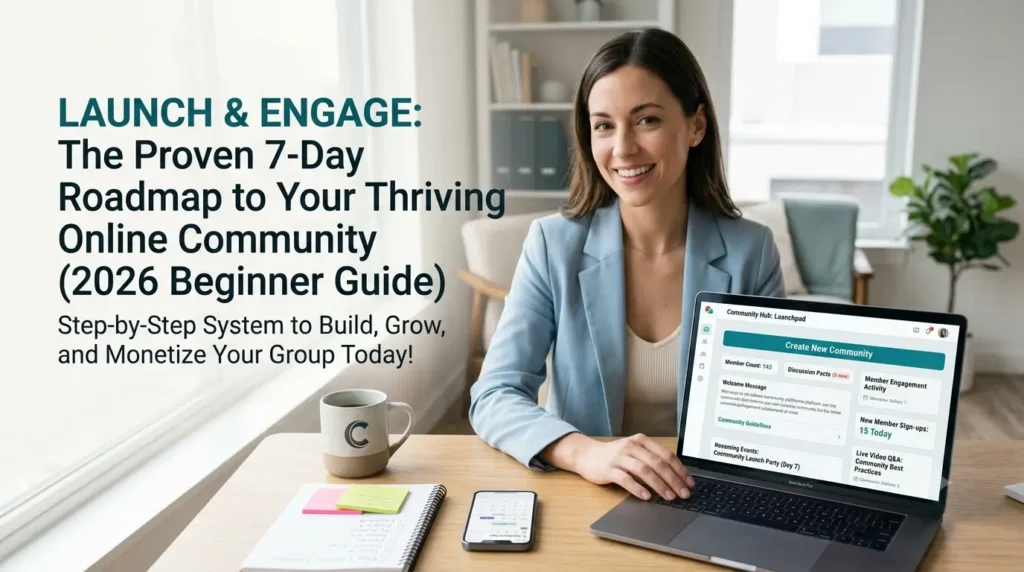

Starting an online community might seem overwhelming, but you can actually launch one in just 7 days with the right plan. This guide is for entrepreneurs, business owners, content creators, and anyone who wants to build a thriving online space where their audience can connect and grow together.
Building an online community from scratch doesn’t require months of preparation or a huge budget. With over 1 billion active online communities worldwide, the opportunity is massive, but most new communities fail within 90 days because they lack a strategic approach.
This step-by-step online community-building guide will walk you through the entire process, from day one to launch day. You’ll learn how to define your community’s purpose and choose the right platform that matches your audience’s needs. We’ll also cover how to execute your soft launch strategy and drive initial growth without feeling overwhelmed by the technical details.
By the end of these 7 days, you’ll have a live community with engaged founding members, clear guidelines, and a solid foundation for long-term growth. No guesswork, no endless planning – just a practical roadmap that gets results.
Define Your Community’s Purpose and Foundation

Identify Your Specific Audience and Their Core Problem
Before building any online community, you must understand exactly who you’re serving and what specific challenge they face. Your community members should share a common problem that drives them to seek connection and solutions. This core problem becomes the foundation for meaningful engagement, as members contribute and connect around shared experiences and challenges.
Create Your One-Sentence Community Purpose Statement
Once you’ve identified your audience’s core problem, craft a clear, single-sentence purpose statement that defines your community’s value. This statement should articulate how your community helps members solve their specific challenge or achieve their goals. A well-defined purpose ensures members see the ongoing value of participation and understand what makes your community worthwhile.
Align Cross-Functional Stakeholders and Define Clear Ownership
Successful community building for beginners requires clear ownership and stakeholder alignment from the start. Designate who will be responsible for daily community management, content creation, and member engagement. Having defined roles ensures consistent communication and authentic engagement, which are essential for fostering meaningful connections between members.
Set Success Metrics Based on Your Primary Use Case
Establish measurable goals that align with your community’s purpose and primary use case. Focus on engagement metrics that demonstrate genuine member interaction, such as active discussions, member-to-member connections, and consistent participation rates. These metrics will help you track whether members are finding value and forming the deeper connections that transform a basic forum into a dynamic, self-sustaining online community.
Choose and Configure Your Platform
Select the Right Platform for Your Audience’s Habits
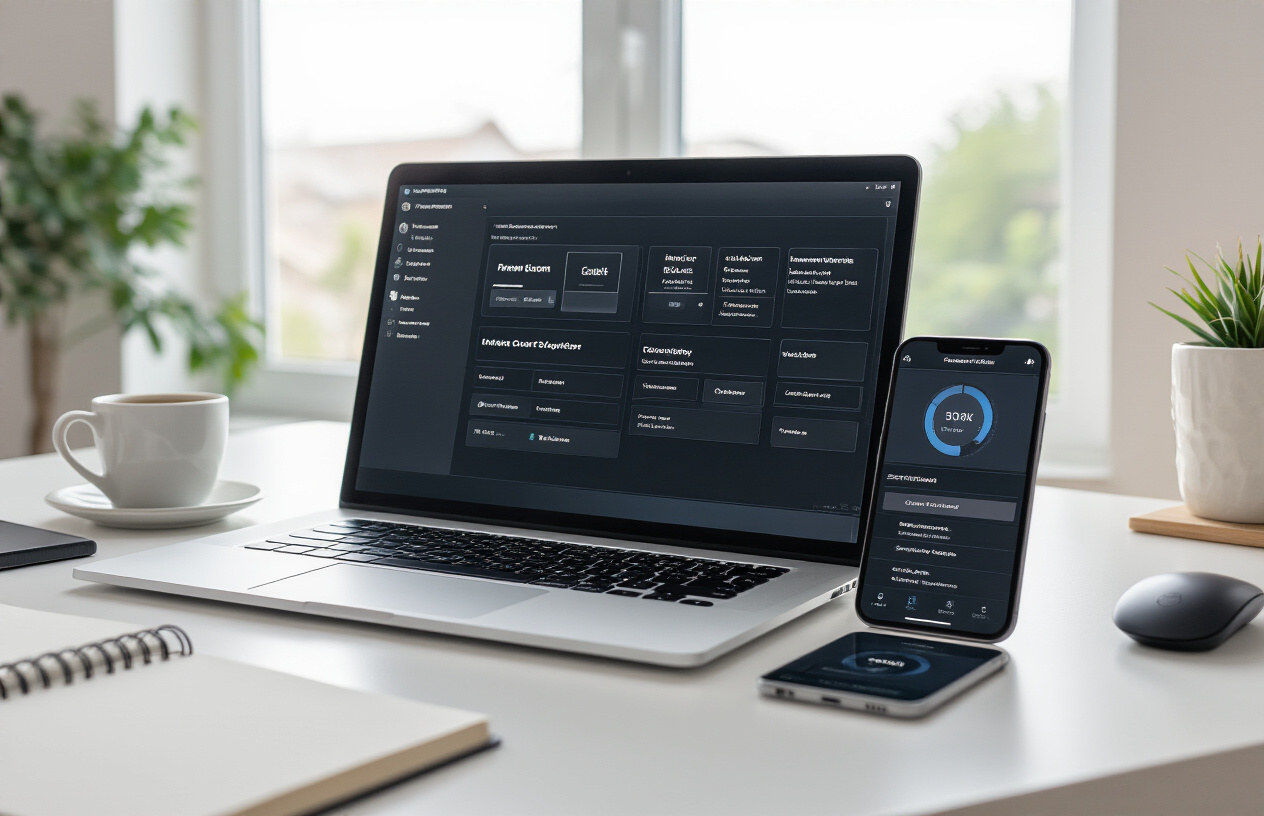
Now that you’ve defined your community’s purpose, choosing the right platform becomes critical for success. Popular options include Facebook Groups for broad accessibility, Slack for team-like communication, Discord for gaming-focused audiences, and specialized platforms like Circle that offer purpose-built community features. Consider factors like ease of use, affordable cost, and alignment with your specific goals when making this decision.
Design Your Community Structure with Essential Channels
With your platform selected, organize your community into distinct channels or spaces that encourage meaningful interaction. Start simple with 5-6 focused areas covering core topics your members want to discuss. Each channel should have clear introductory posts explaining appropriate content types, helping members understand how to use each space effectively while maintaining organized conversations as your community grows.
Establish Community Culture and Guidelines

Write Clear and Specific Community Guidelines
Now that you’ve chosen your platform, establishing enforceable community guidelines becomes your foundation for long-term success. Clear guidelines set expectations from day one and help prevent confusion, conflict, or disengagement before they derail your community-building efforts.
Your guidelines should define specific behaviors rather than vague concepts. Instead of “be respectful,” outline what respectful interaction looks like in your community context. Document exactly what constitutes violations and what consequences follow. This structured approach helps you move from reactive moderation to proactive governance, reducing friction and bias in decision-making when issues arise.
Consider creating guidelines that cover:
- Acceptable content types and posting formats
- Communication standards and tone expectations
- Prohibited behaviors with specific examples
- Consequences for violations with escalation frameworks
- Appeal processes for disputed decisions
Plan Your Gamification and Recognition System
With your guidelines established, designing recognition systems encourages positive behaviors while reinforcing community values. Gamification elements like badges, levels, or featured member spotlights create incentives for constructive participation and peer support.
Plan recognition that aligns with your community’s purpose. If you’re building a professional network, highlight knowledge sharing and mentorship. For hobby communities, celebrate creativity and helpful contributions. Document these systems clearly so members understand how to earn recognition and what behaviors you’re encouraging.
Configure Moderation Tools and Spam Controls
Previously established guidelines need enforcement mechanisms to maintain community health. Configure your platform’s built-in moderation features including automated spam filters, content flagging systems, and user reporting tools.
Set up escalation frameworks for handling complex situations that require human judgment. Train yourself and any future moderators on consistent rule enforcement to protect member trust. Ready-to-use messaging templates for common scenarios help maintain professional, fair responses to violations.
Apply Your Brand Identity Throughout the Platform
With moderation systems in place, implementing consistent visual branding reinforces your community’s professional credibility. Upload your logo, apply brand colors to interface elements, and customize welcome messages that reflect your community’s voice and values.
This cohesive presentation helps members immediately understand your community’s purpose and quality standards, supporting the culture you’re establishing through guidelines and moderation practices.
Pre-Seed Content and Test Your Setup

Recruit 10-20 Founding Members from Your Network
Start building your community foundation by recruiting 10-20 founding members from your existing network. Focus on technical people who feel comfortable trying new things and testing early versions, as these users typically provide detailed feedback and remain active longer. Your first audience should be tech enthusiasts who care enough about your community topic to participate actively and provide meaningful contributions.
Create 10+ Quality Starter Discussions and Questions
Now that you have your founding members identified, pre-seed your community with 10+ quality starter discussions that will spark engagement. Create personal questions that help members express themselves and find common ground – ask about routines, experiences, and preferences related to your community’s focus. Allow users to start conversations relevant to their world, even if not directly about your main topic, as this foundation of shared experiences builds genuine community connections.
Test All Member Journeys and Automated Touchpoints
With your content in place, systematically test every aspect of the member experience from signup to ongoing engagement. Verify that your automated processes work smoothly, including welcome messages, app distribution through platforms like TestFlight for iOS, and any follow-up communications. Test the entire user journey to ensure new members can easily navigate your platform and access all necessary resources.
Run Internal Launch with Your Team for Feedback
Before your soft launch, conduct an internal launch with your team to gather critical feedback. Have team members go through the complete member experience, testing all touchpoints and identifying potential issues. This internal testing phase helps you catch problems early and refine your setup based on real usage patterns, ensuring your community is ready for founding members.
Execute Your Soft Launch Strategy

Conduct Beta Launch with Engaged Customers
Now that you have your foundation and initial content ready, it’s time to execute your soft launch strategy with a small group of 10-20 passionate members. Start by sending personalized invitations to select customers who are already engaged with your mission, letting them know they’re a key part of building something meaningful and fresh. This trial group approach allows you to gather crucial insights while building trust and momentum with those whose opinions matter most.
Gather and Prioritize Member Feedback
With your beta group active, focus on collecting detailed feedback about their experience and what matters most to them. These early members will help shape the community by sharing insights that inform your content strategy and engagement approaches. Use this data to identify conversation starters and topics that will lead to meaningful engagement when you expand to a larger audience.
Fix Critical Issues Before Public Launch
Before moving to your public launch, address any critical issues identified during the beta phase. This collaborative process ensures your community launch strategy aligns with member needs and interests, significantly increasing your chances of success. Your beta participants often become early adopters and champions, providing invaluable support and promotion within the broader community.
Avoid Perfection Paralysis with Set Deadlines
Don’t let perfectionism delay your public launch indefinitely. Set clear deadlines for your beta phase and stick to them, using member feedback to make necessary improvements without getting stuck in endless refinement cycles. Remember that even great communities need manual momentum at the beginning, so focus on creating enough value to justify the transition from beta to public launch.
Launch Publicly and Drive Initial Growth

Create Launch Moment Excitement with Announcements
Now that you’ve completed your soft launch, it’s time to build anticipation for your public debut. Create a coordinated announcement strategy across all your existing channels, including social media platforms, email lists, and professional networks. Generate excitement by sharing behind-the-scenes content, highlighting your community’s unique value proposition, and creating countdown posts that build momentum toward your official launch date.
Leverage Existing Channels for Ongoing Promotion
With your community ready for public launch, maximize reach by tapping into every promotional avenue available to you. Utilize your personal and professional social media accounts, email newsletters, blog posts, and any existing audience connections to spread awareness. Consider partnering with complementary communities or influencers in your niche to cross-promote your launch, expanding your initial reach beyond your immediate network.
Optimize for SEO and Search Discoverability
Previously, many community builders overlook the importance of search optimization during launch. Ensure your community platform and any supporting content include relevant SEO keywords that potential members might search for. Create discoverable content around your community’s topic, optimize your community description and welcome posts, and consider starting a blog or resource hub that naturally attracts people searching for solutions your community provides.
Enable Team Members to Promote in Daily Interactions
Finally, empower your founding team members and early supporters to become organic promoters of your community building efforts. Provide them with easy-to-share promotional materials, key talking points about your community’s benefits, and encourage them to naturally mention your community in relevant conversations and networking opportunities. This grassroots approach often generates the most authentic and effective word-of-mouth promotion for your online community launch strategy.
Maintain Momentum and Drive Long-Term Engagement

Welcome New Members with Personalized Interactions
Now that your community has launched publicly, welcoming new members with personalized touches becomes crucial for long-term retention. Research shows that a member’s initial experience determines future retention more than any later intervention attempts. According to industry data, 99% of retention efforts fail when attempted too late in the member journey. Focus on creating meaningful first impressions through direct welcome messages, personal introductions, and immediate value delivery rather than generic automated responses.
Program Regular Content to Keep Members Returning
With your foundation established, consistent content programming keeps your community active and members engaged. The key is creating anticipated touchpoints like weekly themed threads that give members something to look forward to and natural conversation cycles. Community email digests achieve impressive open rates of 43% on average, with personalized versions reaching up to 59%, proving that regular, valuable content delivery maintains connection even with silent members who prefer consuming over actively posting.
Monitor Key Metrics and Adjust Strategy Accordingly
Previously covered launch strategies require ongoing measurement to ensure sustainable growth. Focus on engagement metrics like login frequency, discussion threads per active member, and response times rather than just total member count. Organizations with integrated community strategies see 124% more community logins and 50% more discussion activity when they consistently track and optimize based on these deeper engagement indicators rather than vanity metrics.
Identify and Invest in Your Early Community Advocates
With momentum building, identifying and nurturing your most engaged members becomes essential for scaling community leadership. These early advocates often emerge from the 15% of actively participating members within any 120-day period. Invest in these community champions by providing exclusive access, involving them in moderation decisions, and recognizing their contributions publicly. In exclusive communities, some successful platforms even involve existing members in vetting new applicants, creating ownership and ensuring cultural fit while building a network of invested community leaders.

Building a thriving online community in just 7 days isn’t about perfection—it’s about execution. By following this blueprint, you’ve learned how to define your community’s purpose, choose the right platform, establish culture and guidelines, pre-seed content, execute a soft launch, drive public growth, and maintain long-term engagement. Remember, the most successful communities start with clarity on their “why” and focus on creating genuine value for their members from day one.
The biggest risk isn’t launching too early—it’s spending months building something nobody wants. Start with your Minimum Viable Community: a clear purpose, one platform, three to four channels, solid community guidelines, and 10-20 engaged founding members. You can refine the design, add features, and expand channels as you learn what your members actually need. Don’t wait until everything is perfect. Open that blank document today and write your one-sentence community purpose statement. That single sentence is the foundation everything else is built on, and your first step toward creating a community that genuinely gets more valuable over time.