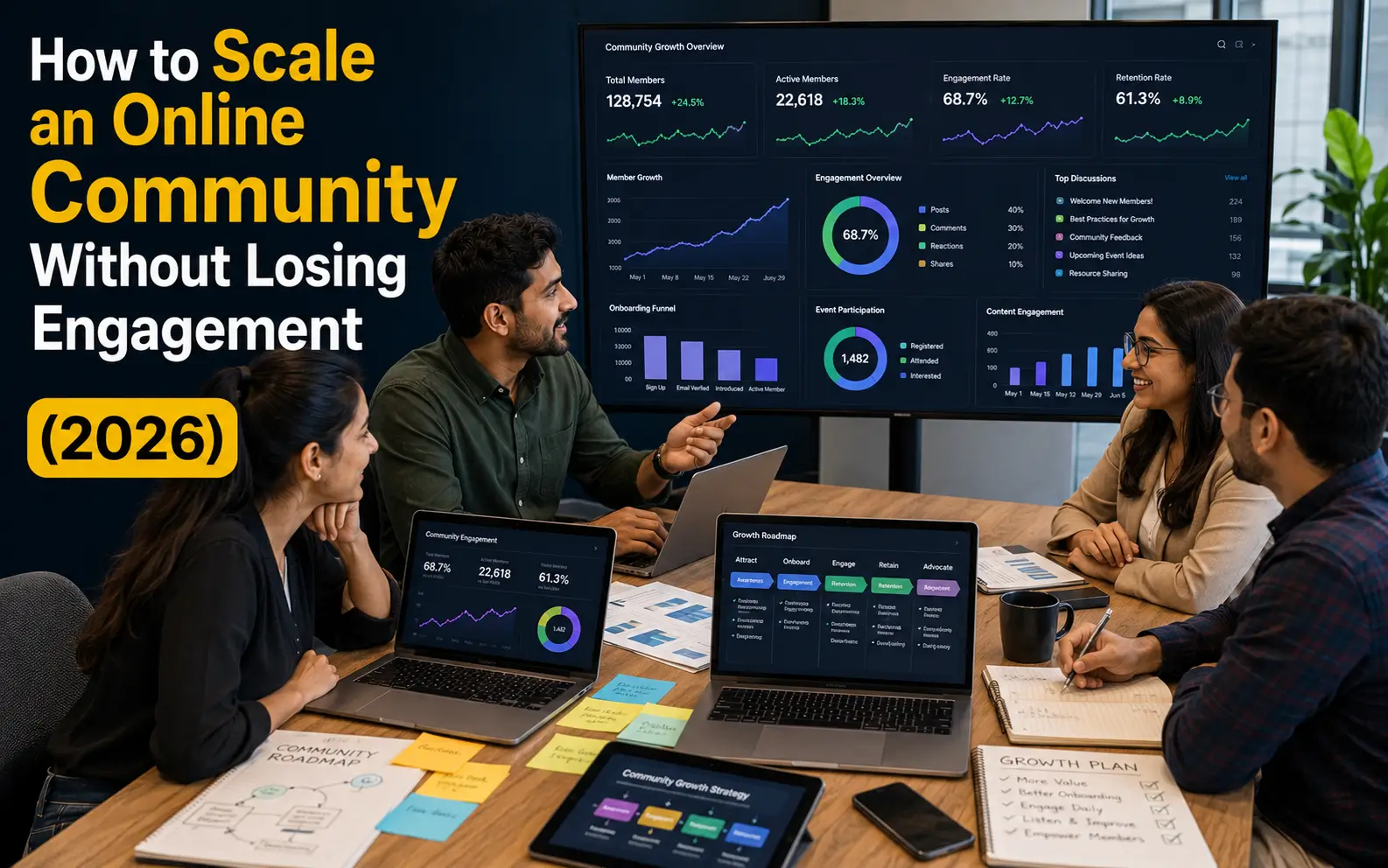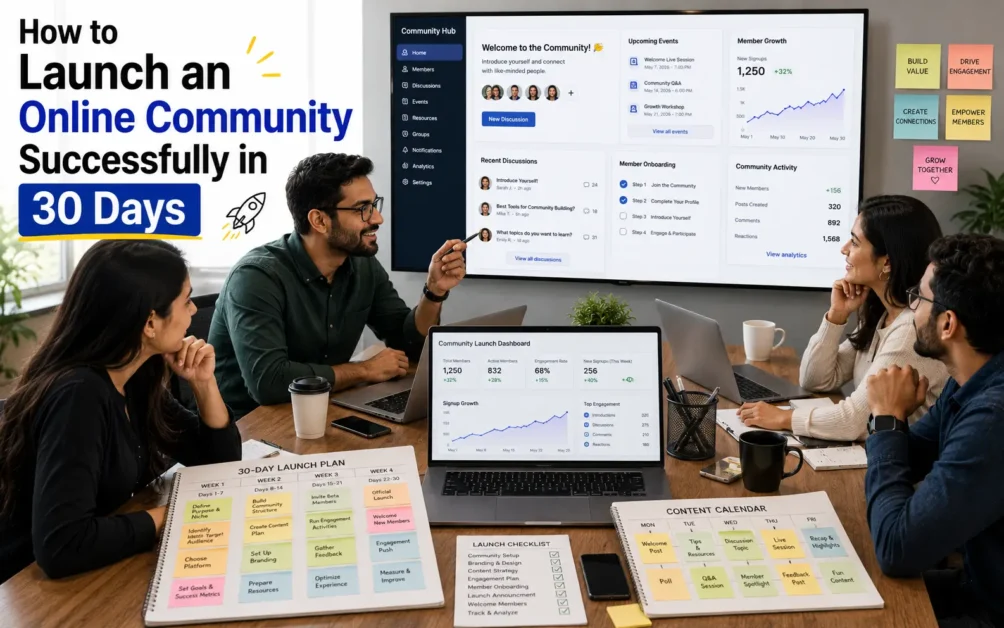
In 2026, the most successful brands are shifting their focus away from expensive marketing budgets. You no longer need to rely on costly platforms to find your audience. Instead, you can grow online community spaces by prioritizing genuine human interaction and shared value.
Many creators worry that skipping paid promotions will stall their progress. However, authentic engagement often creates deeper brand loyalty than any sponsored post ever could. By focusing on high-quality content, you can effectively build community without ads while fostering a loyal base of supporters.

This guide provides a clear roadmap for your success. We will explore how to leverage your existing networks to spark organic community growth. By following these steps, you will turn casual followers into dedicated members who truly care about your mission.
Key Takeaways
- Focus on providing consistent value to attract members naturally.
- Leverage existing social networks to expand your reach without spending money.
- Prioritize authentic conversations to foster long-term brand loyalty.
- Use high-quality content as the primary driver for new member acquisition.
- Understand that sustainable success comes from trust rather than paid clicks.
Defining Your Community Purpose and Value Proposition
A strong community is not just a group of people; it is a purposeful gathering centered on a shared mission. Establishing a solid foundation is the first step toward creating a space where members feel they truly belong. By focusing on these essential community building tips, you can ensure your group provides lasting value from day one.
Identifying Your Target Audience Needs
You must understand the specific pain points of your potential members to build a loyal following. When you know exactly what your audience struggles with, you can tailor your content to offer real solutions. This approach transforms your space from a simple forum into a vital resource for your members.
Start by listening to the conversations happening in your niche. Use surveys or direct messages to ask what challenges they face daily. Providing answers to these questions is one of the most effective community building tips available today.
Crafting a Unique Mission Statement
Your mission statement acts as the north star for your group. It ensures that every decision you make aligns with your core values and long-term vision. A clear statement helps potential members understand immediately why they should join your movement.
Keep your mission concise and inspiring. It should reflect the transformation you want to help your members achieve. When your purpose is clear, you attract the right people who are genuinely invested in your community’s success.
Setting Clear Goals for Growth
Growth requires more than just enthusiasm; it requires a roadmap. Setting clear goals helps you measure your progress and maintain momentum as your community expands. You should track both quantitative metrics, like member count, and qualitative indicators, such as the depth of engagement.
Consider the following framework to organize your initial growth strategy:
| Goal Category | Primary Metric | Target Outcome |
|---|---|---|
| Member Acquisition | New Sign-ups | Consistent Monthly Growth |
| Engagement Level | Active Discussions | High Daily Participation |
| Value Delivery | Resource Downloads | Member Satisfaction |
| Retention Rate | Churn Percentage | Long-term Loyalty |
By applying these community building tips, you create a sustainable environment that encourages growth. Remember that consistency is the key to turning a small group into a thriving digital ecosystem.
Choosing the Right Platform for Your Community
Selecting the right online space is essential for fostering the deep connections your audience craves. Your choice of digital home will dictate how members interact, share ideas, and grow together. By picking a tool that fits your specific needs, you can build community without ads while maintaining full control over the user experience.

Evaluating Discord and Slack for Real-Time Interaction
If your goal is high-energy, instant communication, Discord and Slack are top-tier contenders. These tools excel at creating a sense of immediacy through organized channels and direct messaging. They are perfect for groups that thrive on rapid-fire discussions and live collaboration.
- Discord: Ideal for gaming, creative projects, and casual hangouts.
- Slack: Best suited for professional teams and structured project-based groups.
Leveraging Facebook Groups and LinkedIn for Professional Networking
For many creators, social media community building starts on platforms where their audience already spends time. Facebook Groups offer a familiar interface that lowers the barrier to entry for new members. Meanwhile, LinkedIn is the gold standard for B2B networking and industry-specific discussions.
These platforms provide massive reach, but they often come with algorithmic distractions. You must balance the ease of access with the need to keep your members focused on your specific mission.
Exploring Niche Platforms Like Circle and Mighty Networks
When you want to build community without ads, dedicated platforms like Circle and Mighty Networks are excellent choices. These tools provide a distraction-free environment that keeps the focus entirely on your content and member interactions. Using a specialized online community platform allows you to own your data and customize the look of your space.
| Platform Type | Best For | Key Advantage |
|---|---|---|
| Discord/Slack | Real-time chat | High engagement |
| Facebook/LinkedIn | Broad reach | Existing traffic |
| Circle/Mighty | Niche focus | Total control |
Effective social media community building requires matching your platform to your audience’s habits. Whether you choose a massive social network or a private, paid-access hub, ensure the technology supports your long-term vision. A well-chosen online community platform acts as the foundation for everything you aim to achieve.
Optimizing Your Community for Organic Discovery
Organic discovery acts as the primary engine for sustainable growth when you want to build community without ads. By focusing on how your group appears in search results, you attract high-quality members who are actively searching for your specific niche. This approach ensures that your growth remains steady and cost-effective over the long term.
Implementing SEO Best Practices for Community Pages
To achieve organic community growth, you must treat your community landing page like a high-performing website. Start by researching the specific terms your target audience uses when looking for solutions in your field. Incorporate these keywords naturally into your page titles, meta descriptions, and community headers.
Ensure your platform is mobile-friendly and loads quickly to keep visitors engaged. Search engines prioritize sites that offer a seamless user experience, which directly impacts your ranking. Regularly updating your public-facing content helps signal to search algorithms that your group is active and relevant.
Creating Shareable Content That Drives Referrals
Your online community platform becomes a powerful referral machine when you prioritize value-driven content. Create posts that solve specific problems or provide unique insights that members feel compelled to share with their own networks. When your existing members act as advocates, they bring in new, like-minded individuals without any extra effort on your part.
Consider implementing a simple referral program or highlighting “Member of the Month” features to encourage organic sharing. Authentic stories from your community members serve as social proof that attracts outsiders. High-quality content is the bridge between a passive visitor and an active, long-term participant.
Utilizing Cross-Platform Promotion Strategies
Effective community growth hacks involve meeting your audience where they already spend their time. Use your presence on platforms like X, Instagram, or LinkedIn to funnel traffic back to your central hub. By maintaining a consistent brand voice across all channels, you create a cohesive experience that builds trust before a user even joins.
The following table outlines how different channels contribute to your overall growth strategy:
| Strategy | Primary Benefit | Growth Impact |
|---|---|---|
| SEO Optimization | Search Visibility | High (Long-term) |
| Referral Content | Social Proof | Medium (Viral) |
| Social Media Building | Brand Awareness | High (Immediate) |
| Cross-Platform Links | Traffic Flow | Medium (Steady) |
Leveraging social media community building across multiple channels ensures your group remains a central hub for your industry. Always provide a clear call to action that directs followers to your primary community space. This strategy keeps your audience connected and engaged regardless of where they first discovered your brand.
Proven Strategies to Grow Online Community Engagement
Engagement is the heartbeat of any thriving digital space, and it demands a proactive strategy. When members feel welcomed and valued, they are far more likely to contribute consistently. Implementing effective community engagement strategies ensures that your group remains a vibrant hub for your target audience.
Designing Effective Onboarding Experiences
The community onboarding process is your first chance to make a lasting impression. A smooth start helps new members understand the culture and feel comfortable sharing their thoughts immediately. First impressions are everything when it comes to long-term retention.
Consider creating a welcome video or a pinned post that guides newcomers through the platform. Providing a clear path for their first interaction, such as introducing themselves in a specific thread, is one of the most effective community building tips. This simple step removes the anxiety of being the first to speak.
Hosting Regular Live Events and Q&A Sessions
Consistency is the secret ingredient to keeping your audience coming back for more. Hosting live events or Q&A sessions provides a predictable rhythm that members can look forward to each week. These audience engagement techniques foster a sense of belonging and real-time connection.
During these sessions, you can address specific pain points or celebrate recent member wins. Live interaction builds trust faster than any static post ever could. It transforms your community from a simple message board into a dynamic, living experience.
Gamifying Participation to Encourage Consistent Activity
Sometimes, a little friendly competition is all it takes to spark life into a quiet group. Gamifying participation turns routine interactions into exciting challenges that reward your most active members. By introducing badges, leaderboards, or exclusive perks, you incentivize meaningful contributions.
You might host a monthly challenge where members share their progress on a specific goal. Recognizing top contributors publicly encourages others to step up their game. This approach keeps the energy high and ensures that your community remains a place of constant growth and excitement.
Building Trust Through Authentic Leadership
Trust serves as the bedrock of any thriving digital community, acting as the primary currency for long-term growth. When you focus on building trust online, you create a space where members feel safe to share ideas and collaborate. Authentic leadership is not about being perfect; it is about being transparent and reliable in every interaction.
Establishing Community Guidelines and Moderation Standards
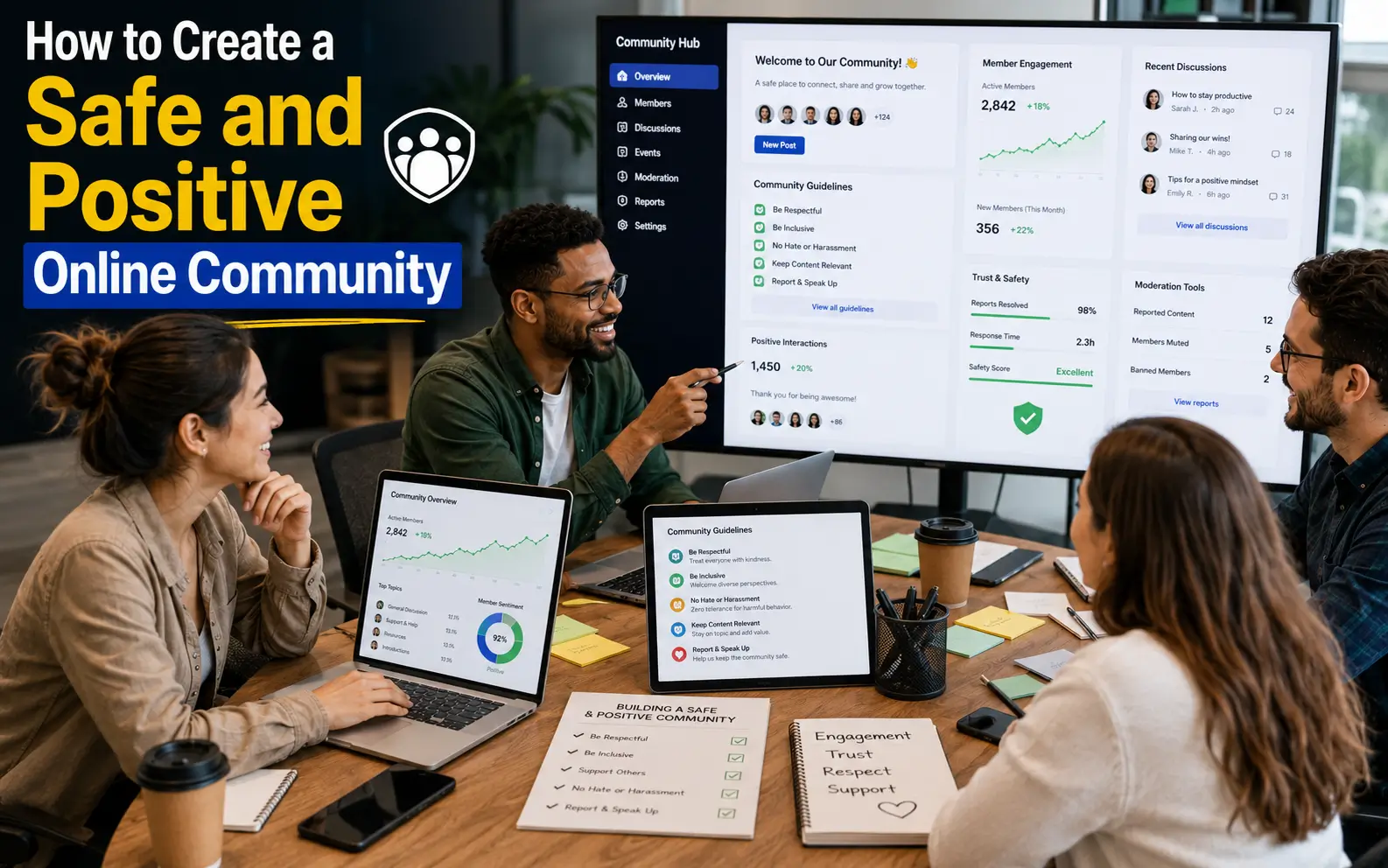
A welcoming environment does not happen by accident. You must define clear expectations through well-crafted community guidelines that outline acceptable behavior. These standards act as a roadmap for your members, ensuring that everyone understands the values of the group.
Effective digital community management requires a balanced approach to moderation. You should enforce rules consistently to protect the integrity of the space. When members see that you take their safety seriously, they are more likely to contribute meaningfully.
Leading by Example Through Consistent Interaction
Your behavior sets the tone for the entire group. If you want high levels of participation, you must demonstrate the community engagement strategies you wish to see in others. By showing up regularly and responding to comments, you prove that you are invested in the success of the collective.
Consistency builds familiarity, which in turn fosters deeper connections. When you share your own insights and acknowledge the contributions of others, you humanize your brand. This approach encourages members to mirror your enthusiasm and dedication.
Handling Conflict and Negative Feedback Gracefully
Even the best communities will face moments of tension. Developing strong community leadership skills allows you to navigate these challenges without losing your cool. When you address negative feedback with empathy and patience, you turn potential friction into an opportunity for growth.
Always aim to listen first before responding to criticism. A calm, professional response can de-escalate heated situations and show your members that their voices are heard. The following table outlines how different moderation styles impact the overall health of your group.
| Moderation Style | Impact on Trust | Member Retention |
|---|---|---|
| Strict/Authoritarian | Low | Decreasing |
| Laissez-faire | Medium | Unpredictable |
| Empathetic/Transparent | High | Increasing |
Leveraging User-Generated Content for Rapid Expansion
Harnessing the power of your members’ voices can transform a quiet group into a thriving, self-sustaining ecosystem. When you prioritize community engagement strategies, you invite your audience to become active participants rather than passive observers. This shift builds authentic social proof that naturally attracts new members to your platform.

Encouraging Members to Share Their Success Stories
One of the most effective user-generated content ideas involves inviting members to share their personal wins. When a member posts about a milestone, it creates a sense of achievement that resonates throughout the entire group. This positive reinforcement encourages others to strive for their own goals, fueling a cycle of growth.
“Community is not just about being together; it is about building something meaningful that reflects the collective spirit of every individual involved.”
Creating Collaborative Projects and Challenges
Fostering a spirit of teamwork is essential for long-term retention. By launching group challenges, you provide a structured way for members to interact and work toward a shared purpose. These audience engagement techniques help break down barriers between newcomers and long-time participants.
Whether it is a 30-day skill-building sprint or a collaborative creative project, these initiatives keep the energy high. Participants often share their progress on social media, which acts as a magnet for potential new members who value active, goal-oriented environments.
Highlighting Member Contributions to Boost Morale
Showing your audience that their voices are truly valued is the cornerstone of a healthy community. You can highlight top contributors through weekly spotlights or “Member of the Month” features. This simple act of recognition significantly boosts morale and encourages consistent, high-quality participation.
| Strategy Type | Primary Benefit | Implementation Effort |
|---|---|---|
| Success Stories | Social Proof | Low |
| Group Challenges | Active Participation | Medium |
| Member Spotlights | Increased Morale | Low |
By consistently applying these community engagement strategies, you ensure that your platform remains a vibrant space. Remember that the most successful audience engagement techniques are those that make every member feel like an essential part of the community’s success story.
Mastering the Art of Strategic Partnerships
Strategic partnerships serve as a powerful engine for community growth without the need for expensive ads. By aligning with organizations that share your target audience but offer different services, you create a win-win scenario. These alliances allow you to tap into established trust, effectively acting as one of the most reliable community growth hacks available today.
Identifying Non-Competing Influencers and Brands
The key to success lies in finding partners who complement your mission rather than competing with it. Look for brands that solve a related problem for your members. For example, if you run a community for freelance writers, partnering with a project management software company is a natural fit.
Reach out to influencers who have built a loyal following in your niche. Propose a collaboration that provides genuine value to their audience. When you focus on strategic partnerships for growth, you ensure that both parties benefit from the exchange of ideas and resources.
Co-Hosting Webinars and Virtual Summits
Hosting live events with a partner is an excellent way to showcase your expertise to a wider group. These sessions provide high-value content that attracts new members who might not have found you otherwise. By sharing the stage, you establish your authority while leveraging your partner’s credibility.
Virtual summits can be particularly effective for rapid expansion. They create a sense of urgency and excitement that drives sign-ups. Remember to record these sessions so they can serve as evergreen assets for your community long after the event concludes.
Guest Posting and Collaborative Content Creation
Cross-pollinating audiences through content is a sustainable way to drive long-term traffic. Writing guest posts for a partner’s blog allows you to speak directly to their community members. In return, you can invite them to contribute to your platform, fostering a sense of mutual respect and collaboration.
Collaborative projects, such as co-authored white papers or joint newsletters, keep your audience engaged. These efforts also serve as effective community monetization alternatives by introducing your members to new tools or services they might find useful. Use the table below to evaluate which partnership model fits your current goals.
| Partnership Type | Primary Benefit | Effort Level | Growth Potential |
|---|---|---|---|
| Guest Posting | SEO & Authority | Low | Moderate |
| Co-hosted Webinars | Lead Generation | Medium | High |
| Virtual Summits | Brand Awareness | High | Very High |
Utilizing Email Marketing to Retain and Grow Members
If you want to keep your members coming back, you need a strategy that reaches them outside of your main hub. While your platform is the heart of your community, email marketing for communities acts as the vital bridge that keeps your brand top-of-mind. By meeting members in their inbox, you ensure that your community remains a priority even during their busiest days.

Building a Newsletter That Adds Value Beyond the Community
A successful newsletter should not just summarize what happened on your platform. Instead, it should offer exclusive insights, curated resources, or early access to upcoming projects. This approach provides tangible value that encourages members to stay subscribed and engaged.
When you provide content that cannot be found elsewhere, you transform your newsletter into a must-read resource. This is one of the most effective member retention strategies because it rewards your most loyal followers with unique benefits.
Segmenting Your Audience for Personalized Outreach
Not every member has the same interests or needs. By segmenting your email list based on activity levels or specific topics, you can send messages that truly resonate with each group. Personalized outreach feels more human and less like a generic blast.
For example, you might send a “getting started” guide to new members while sharing advanced industry trends with your veteran contributors. This level of precision increases open rates and keeps your community members feeling valued and understood.
Automating Welcome Sequences to Improve Retention
The first few days after a member joins are critical for long-term success. Automating a welcome sequence allows you to guide new users through their initial experience without manual effort. These emails can highlight key features, introduce popular discussions, and set expectations for participation.
By providing a clear roadmap, you reduce the friction that often leads to early churn. A well-crafted automated sequence builds confidence and helps new members feel at home immediately.
| Member Stage | Email Focus | Goal |
|---|---|---|
| New Joiner | Onboarding & Orientation | Reduce early churn |
| Active Member | Exclusive Updates | Deepen engagement |
| Inactive Member | Re-engagement Campaigns | Drive return visits |
| Power User | Leadership Opportunities | Foster advocacy |
Analyzing Data to Refine Your Growth Strategy
You cannot improve what you do not measure, especially when building a digital space. Relying on gut feelings is risky, but data-driven decision-making provides a clear roadmap for your success. By focusing on the right metrics, you can effectively grow online community engagement and ensure your platform remains a vibrant hub for your members.
Tracking Key Performance Indicators for Community Health
To maintain a healthy environment, you must monitor specific metrics that reveal how your members interact. Community analytics allow you to see which discussions gain traction and which topics fall flat. Tracking daily active users, churn rates, and average session duration helps you identify exactly what is working.
When you understand these numbers, you can pivot your strategy to focus on high-impact activities. This approach is vital for organic community growth, as it ensures your resources go toward features that members actually value. Consistent monitoring prevents stagnation and keeps your community moving in the right direction.
Gathering Qualitative Feedback Through Surveys
Numbers tell you what is happening, but they rarely explain why. Establishing community feedback loops through regular surveys gives you the “why” behind the data. Ask your members about their pain points, their favorite features, and what they hope to see in the future.
Keep your surveys short and focused to ensure high completion rates. When members feel heard, they are more likely to stay active and contribute to the group. This qualitative insight acts as a compass, guiding your leadership decisions and fostering a sense of ownership among your audience.
Iterating Based on Member Behavior and Trends
The digital landscape changes rapidly, and your community must evolve to stay relevant. By observing how members behave, you can implement member retention strategies that adapt to current trends. If you notice a shift in how people prefer to communicate, do not be afraid to adjust your platform features accordingly.
Successful communities are never static; they are living ecosystems that grow alongside their members. Use your findings to test new ideas, refine your content, and improve the overall user experience. Staying flexible ensures that your community remains a valuable resource for years to come.
Conclusion
Growing an online community without paid ads is a marathon. It rewards patience and authentic engagement above all else. You now possess the tools to build a loyal audience that sustains itself over time.
Effective digital community management requires a steady hand and a clear vision. By focusing on the strategies shared here, you create a space where members feel truly valued. Your commitment to these community building tips will set your brand apart in a crowded digital landscape.
Success is defined by the value you provide to your members every single day. Small, consistent actions lead to massive growth for platforms like Discord or Circle. Start implementing these changes today to see your community flourish in the coming year.
Your journey toward a thriving digital space starts with a single step. Keep listening to your members and adapting to their needs. A vibrant, self-sustaining community is well within your reach.
FAQ
Why is organic community growth better than using paid advertisements in 2026?
While paid ads can provide a quick spike in numbers, organic community growth focuses on building authentic connections and long-term brand loyalty. By prioritizing value-driven interactions over high acquisition costs, you create a self-sustaining ecosystem where members stay because they feel a genuine sense of belonging, leading to much lower churn rates and higher lifetime value.
Which online community platform should I choose for real-time interaction?
If your goal is instant communication and high-frequency engagement, Discord and Slack are the industry leaders. For professional networking and B2B environments, LinkedIn and Facebook Groups remain powerful due to their existing user bases. However, if you want a distraction-free, premium experience with integrated courses, niche platforms like Circle and Mighty Networks are excellent for building a dedicated digital home.
How can I improve my community’s visibility in search engine results?
You can optimize for organic discovery by implementing SEO best practices on your community landing pages. This includes using relevant keywords, optimizing meta descriptions, and ensuring your public-facing content is indexable. Additionally, creating shareable content and utilizing cross-platform promotion on sites like X (formerly Twitter) or Threads can drive significant referral traffic back to your hub.
What are the best ways to keep new members engaged immediately after they join?
Designing an effective onboarding experience is crucial. You should greet new members with an automated welcome sequence via email marketing and guide them toward their first interaction. Gamifying participation with badges or challenges and hosting regular live events or Q&A sessions also helps turn passive observers into active contributors right from day one.
How do I handle conflict or negative feedback within my group?
Authentic leadership involves establishing clear community guidelines and moderation standards from the start. When conflict arises, address it gracefully and transparently. Leading by example and maintaining a consistent presence helps foster a culture of respect, ensuring that even negative feedback is transformed into an opportunity for growth and improvement.
Can strategic partnerships really help grow a community without a marketing budget?
Absolutely! By identifying non-competing influencers and brands, you can engage in strategic partnerships that benefit both parties. Activities like co-hosting webinars, organizing virtual summits, or guest posting allow you to tap into established audiences, providing mutual value and driving rapid expansion without spending a dime on traditional advertising.
How do I know if my community growth strategy is actually working?
Success is measured by analyzing data and tracking Key Performance Indicators (KPIs) such as engagement rates, member retention, and active daily users. Beyond the numbers, gathering qualitative feedback through member surveys allows you to understand the sentiment of your audience. This data-driven approach helps you iterate on your strategy and stay ahead of the latest digital trends.
What role does user-generated content (UGC) play in community expansion?
User-generated content serves as powerful social proof. When you encourage members to share their success stories or participate in collaborative projects, you are highlighting the real-world value of your group. Highlighting these member contributions not only boosts morale but also inspires prospective members to join the conversation and contribute their own unique perspectives.