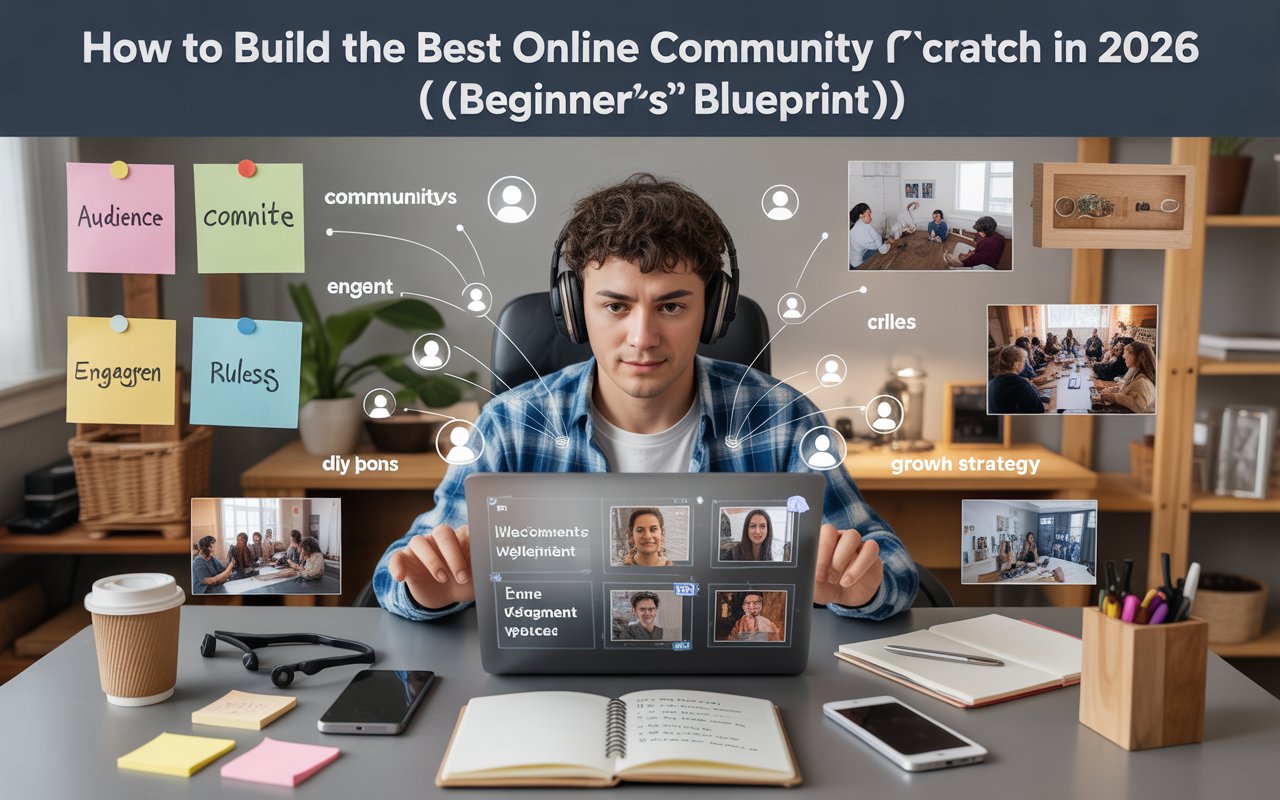
Launching a digital space in 2026 requires more than just technical setup. It demands a clear vision and a deep understanding of your audience’s needs. If you want to build online community assets that truly last, you must prioritize human connection over software features.
This comprehensive resource serves as your ultimate community building guide. We will walk you through the essential steps to turn a simple idea into a thriving hub for your members. Success starts with strategic planning long before you write a single line of code.

By focusing on the foundation now, you save yourself from common pitfalls later. Let’s explore how to create a space where people feel valued, heard, and excited to return every day.
Key Takeaways
- Strategic planning is the most vital step for long-term digital success.
- Prioritize genuine member connections over complex technical tools.
- A strong foundation prevents common growth hurdles in 2026.
- Beginners should focus on clear goals before launching their platform.
- Meaningful engagement is the primary driver of sustainable growth.
Defining Your Community Purpose and Target Audience
Every successful digital space begins with a clear vision of why it exists. When you set out to build online community spaces, you must first understand the specific problem you are solving for your members. Without a defined purpose, your group may struggle to gain traction or retain active participants over time.
Identifying the Core Value Proposition
Your value proposition is the unique promise you make to your members. It explains why they should join your group instead of spending time elsewhere. To define this, ask yourself what specific pain point your community addresses. Whether it is professional networking, hobbyist support, or educational growth, your value must be clear and immediate.
When you build online community assets, focus on the transformation your members experience. A strong value proposition turns casual visitors into loyal advocates. If your members feel that their time is well-spent, they will naturally contribute more to the conversation.
Mapping Your Ideal Member Persona
Understanding who you are serving is just as important as knowing what you are offering. By creating a detailed member persona, you can tailor every interaction to meet the specific needs and desires of your participants. Think about their daily challenges, their motivations for joining, and the type of content that resonates with them.
Consider the following table to help categorize your potential community members and their primary needs:
| Member Type | Primary Motivation | Desired Outcome |
|---|---|---|
| The Learner | Skill acquisition | Actionable knowledge |
| The Networker | Professional growth | Meaningful connections |
| The Enthusiast | Shared passion | Community belonging |
| The Expert | Thought leadership | Mentorship opportunities |
Setting Long-Term Community Goals
Clear goals act as a compass for your project. As you build online community infrastructure, these objectives help you maintain focus during periods of rapid growth or quiet lulls. You should define both qualitative and quantitative metrics to track your progress effectively.
Start by setting milestones for the first six months, such as reaching a specific member count or achieving a target engagement rate. Consistency is key when working toward these long-term goals. By keeping your mission in sight, you ensure that every decision you make supports the health and longevity of your community.
Choosing the Right Platform for Your Community
Before you invite your first member, you must decide where your community will live online. Selecting the right online community platform is a pivotal decision that impacts your ability to scale and manage member interactions effectively. Your choice of technology acts as the backbone for every conversation and connection you foster.

Evaluating Dedicated Community Platforms like Circle and Mighty Networks
Dedicated tools like Circle and Mighty Networks offer a streamlined experience designed specifically for creators. These platforms provide all-in-one features such as course hosting, event management, and member directories. Using specialized online community software allows you to keep your audience focused without the distractions found on larger social networks.
Leveraging Social Media Groups for Initial Traction
Starting with Facebook or LinkedIn groups is a common strategy for those testing a new concept. These platforms are free and already house your potential members, making it easy to gain initial traction. However, you have limited control over the user experience and must compete with constant algorithmic distractions.
Considering Self-Hosted Solutions for Full Control
If you require total ownership of your data and branding, self-hosted solutions are the best path forward. This approach gives you the freedom to customize every aspect of your online community software to match your unique vision. While this requires more technical maintenance, the long-term flexibility is often worth the effort for growing brands.
| Platform Type | Best For | Control Level | Technical Effort |
|---|---|---|---|
| Dedicated Platforms | Creators & Coaches | High | Low |
| Social Media Groups | Testing Concepts | Low | Minimal |
| Self-Hosted | Established Brands | Maximum | High |
How to Build Online Community Foundations
A successful online space relies on more than just technology; it requires a clear vision and structure. When you provide a stable environment, members feel safe to share their ideas and connect with others. This foundation acts as the bedrock for all future interactions and growth.
Establishing Community Guidelines and Moderation Policies
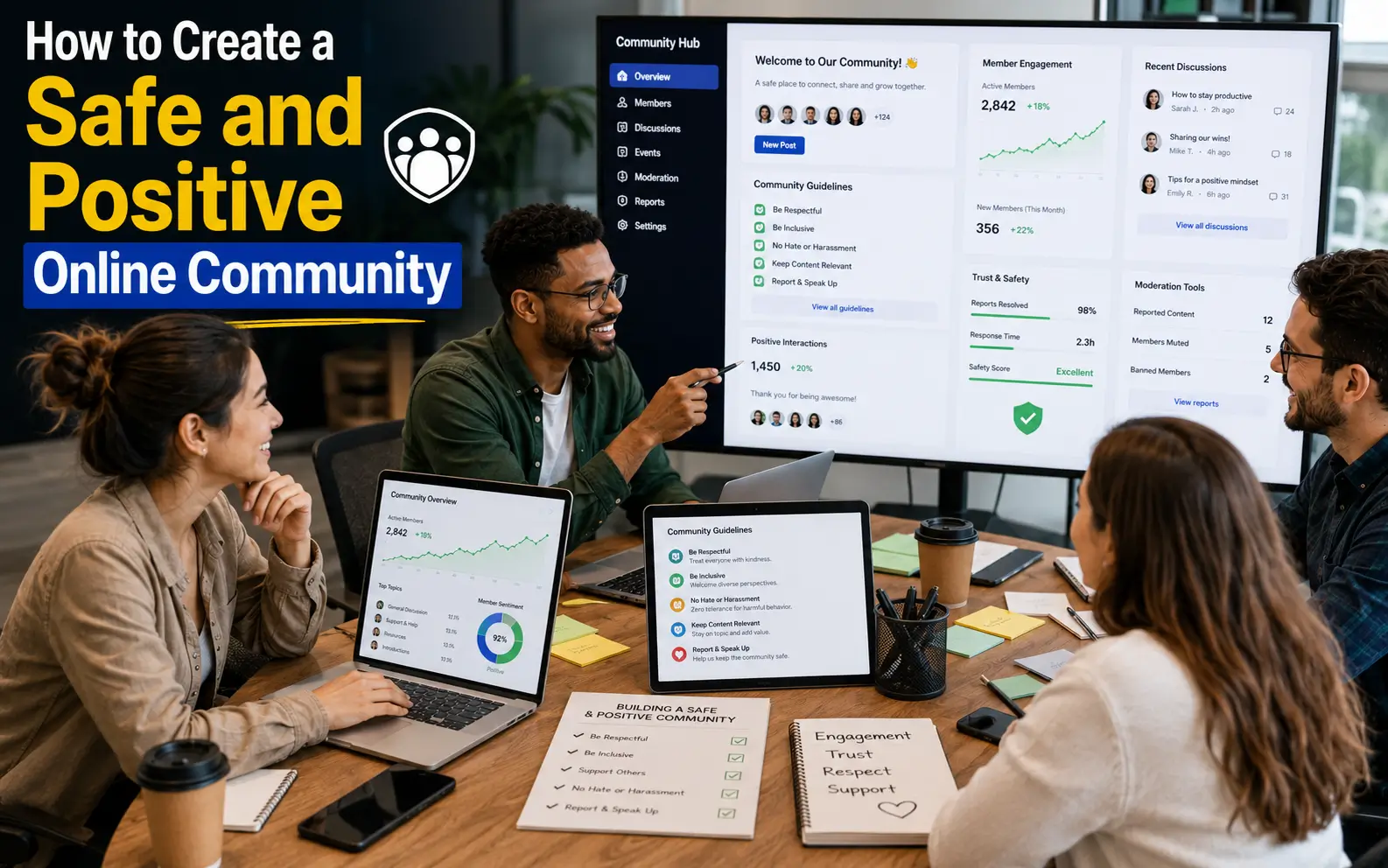
Every thriving group needs a set of ground rules to maintain order. Effective community moderation is not about silencing voices, but about protecting the integrity of your discussions. By setting clear expectations early, you prevent toxic behavior before it starts.
Your guidelines should be easy to find and simple to understand. Focus on positive reinforcement rather than just listing prohibited actions. This approach encourages a culture of respect and mutual support among your members.
| Moderation Style | Primary Focus | Best For |
|---|---|---|
| Reactive | Addressing reports | Small, new groups |
| Proactive | Setting clear norms | Growing communities |
| Automated | Filtering keywords | Large-scale platforms |
Designing the Onboarding Experience for New Members
The first few minutes a person spends in your group determine their long-term loyalty. A seamless community onboarding process acts as a digital welcome mat. It guides newcomers through the platform and helps them understand how to contribute effectively.
Consider using a welcome video or a pinned post that introduces the community mission. You might also include a “start here” checklist to help members complete their profiles. When people know exactly what to do, they are much more likely to participate.
Creating a Content Strategy That Encourages Participation
A quiet community often struggles to gain momentum. To keep things moving, you need a content strategy that invites interaction from day one. Instead of just posting announcements, ask open-ended questions that spark genuine conversation.
- Host weekly “Introduce Yourself” threads to build rapport.
- Share behind-the-scenes content to humanize your brand.
- Create polls to let members vote on future topics.
Remember that community onboarding is an ongoing process that evolves with your members. By combining thoughtful community moderation with engaging content, you create a space where people truly want to belong.
Developing an Engaging Content Calendar
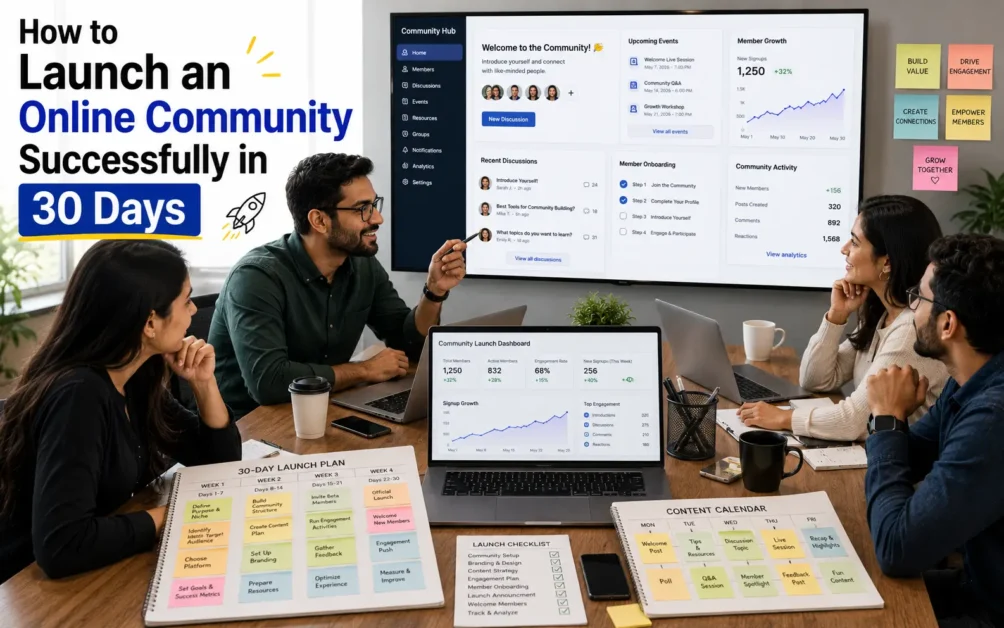
Consistency is the secret ingredient that turns a quiet group into a thriving digital hub. A well-planned community content calendar acts as your roadmap, ensuring that your members always have a compelling reason to log in and participate.
By mapping out your posts in advance, you remove the guesswork from daily management. This proactive approach allows you to focus on building genuine relationships rather than scrambling for ideas at the last minute.

Balancing Educational and Interactive Content
To keep your audience coming back, you must strike a healthy balance between teaching and playing. Educational content establishes your authority and provides tangible value, while interactive posts foster a sense of belonging.
Try to alternate between deep-dive tutorials and lighthearted polls or discussion starters. This mix prevents your feed from feeling like a static classroom or an overwhelming social media stream.
Utilizing Live Events and Webinars to Drive Engagement
Live sessions are among the most powerful community engagement strategies available today. When members see your face and hear your voice in real-time, the connection deepens significantly.
Consider hosting monthly Q&A sessions or guest expert interviews to keep the energy high. These events create a sense of urgency and exclusivity that static posts simply cannot replicate.
Implementing Recurring Weekly Threads and Challenges
Predictability is a powerful tool for habit formation. When members know exactly what to expect on a Tuesday or Friday, they are much more likely to show up and contribute regularly.
You can launch simple initiatives like “Win of the Week” or “Feedback Friday” to encourage consistent interaction. These small, recurring touchpoints build momentum and help your community grow organically over time.
| Day of Week | Content Type | Goal |
|---|---|---|
| Monday | Goal Setting | Motivation |
| Wednesday | Educational Deep-Dive | Value Delivery |
| Friday | Community Spotlight | Engagement |
| Sunday | Weekly Recap | Retention |
Strategies for Attracting Your First One Hundred Members
The journey to a thriving digital space begins with the intentional acquisition of your first one hundred founding members. This initial phase is often the most challenging, as it requires a proactive approach to build trust and momentum. By focusing on quality over quantity, you can establish a solid foundation that will grow digital community engagement for years to come.
Leveraging Personal Networks and Existing Email Lists
Your most valuable assets are the people who already know and trust you. Start by reaching out to your personal network, including former colleagues, friends, and professional acquaintances who align with your community’s mission. A personalized email or direct message often yields a much higher conversion rate than a generic social media post.
If you have an existing email list, treat your subscribers as your first priority. Send a dedicated announcement that highlights the unique value of joining early. You might even offer founding member status to those who sign up during the first week to create a sense of exclusivity.
Collaborating with Niche Influencers and Partners
Strategic partnerships are among the most effective community growth tactics available today. Identify influencers who serve the same target audience but are not direct competitors. A simple shout-out or a guest post on their platform can introduce your community to a highly relevant audience that is already primed for your content.
Consider co-hosting a small webinar or a Q&A session with a partner to showcase the value of your space. This collaborative approach builds credibility and helps you reach potential members who might not have found you otherwise.
Using Organic Social Media Outreach to Drive Sign-ups
Authenticity is the key to successful organic social media outreach. Instead of spamming groups with links, focus on providing genuine value in comments and discussions. When you share your expertise, people will naturally become curious about where you host your conversations.
Engage with your audience by asking questions and responding to their feedback. By showing that you are a real person behind the brand, you make it easier for others to join your mission. These community growth tactics ensure that your early members feel like part of a movement rather than just another user.
| Channel | Effort Level | Conversion Potential |
|---|---|---|
| Personal Network | Low | High |
| Email Marketing | Medium | High |
| Influencer Collabs | High | Very High |
| Social Media | Medium | Medium |
Fostering Meaningful Connections Among Members
When members start talking to each other, your community transforms from a simple platform into a living, breathing ecosystem. Moving beyond basic content consumption requires intentional community engagement strategies that prioritize human interaction. By focusing on these bonds, you ensure that your space remains a vibrant and supportive environment for everyone involved.

Facilitating Peer-to-Peer Introductions
The most successful groups are those where members feel seen and heard by their peers. You can jumpstart this process by creating dedicated “Introduce Yourself” threads or hosting virtual coffee chats. These community networking opportunities allow individuals to find their tribe within your larger group.
Encourage your members to share their specific goals or challenges when they join. When you notice two people with similar interests, make a personal introduction to bridge the gap. This simple act of facilitating connections builds trust and makes your platform feel much smaller and more intimate.
Recognizing and Rewarding Top Contributors
A culture of mutual support thrives when you celebrate the people who make your community better. Publicly acknowledging helpful members reinforces positive behavior and boosts member retention significantly. You might highlight a “Member of the Month” in your newsletter or provide digital badges for those who consistently answer questions.
Consider offering exclusive perks to your most active participants, such as early access to new content or private Q&A sessions. When you reward your top contributors, you show the rest of the group that their time and effort are truly valued. This creates a cycle of generosity that keeps the community spirit alive.
Creating Sub-Groups for Specialized Interests
As your membership grows, it becomes harder for everyone to relate to every single post. Creating smaller sub-groups allows members to dive deeper into specific topics that matter most to them. Whether it is a regional chapter or a niche hobby group, these smaller circles foster deeper, more meaningful conversations.
These specialized spaces help prevent information overload while keeping your core community focused. By allowing members to self-organize around their passions, you empower them to take ownership of their experience. This decentralized approach is a powerful way to keep your community feeling personal and relevant as it scales.
Managing Growth and Maintaining Community Health
Scaling a community requires more than just passion; it demands a solid strategy for health and growth. As your member base expands, the dynamics of your group will naturally shift. Implementing effective community management tips early on ensures that your space remains a welcoming environment for everyone involved.
Handling Conflict and Difficult Conversations
Conflict is an inevitable part of any growing social space. When disagreements arise, it is essential to address them with grace and professionalism rather than avoiding them. Clear communication helps de-escalate tension before it impacts the wider group.
Always refer back to your established guidelines when a member violates community standards. By staying objective and firm, you protect the integrity of the space. Remember that consistent enforcement of rules builds trust among your most active members.
Scaling Moderation Efforts as Membership Increases
Manual oversight works for small groups, but it quickly becomes unsustainable as you scale. Effective community moderation requires a transition toward more automated systems and team-based support. You might consider recruiting volunteer moderators from your most trusted members to help manage the daily flow of content.
Utilizing platform-specific tools like keyword filters or automated approval queues can save you significant time. These features allow you to focus on high-level strategy rather than getting bogged down in repetitive tasks. Empowering your team is the key to maintaining a healthy culture at scale.
Monitoring Key Engagement Metrics and Analytics
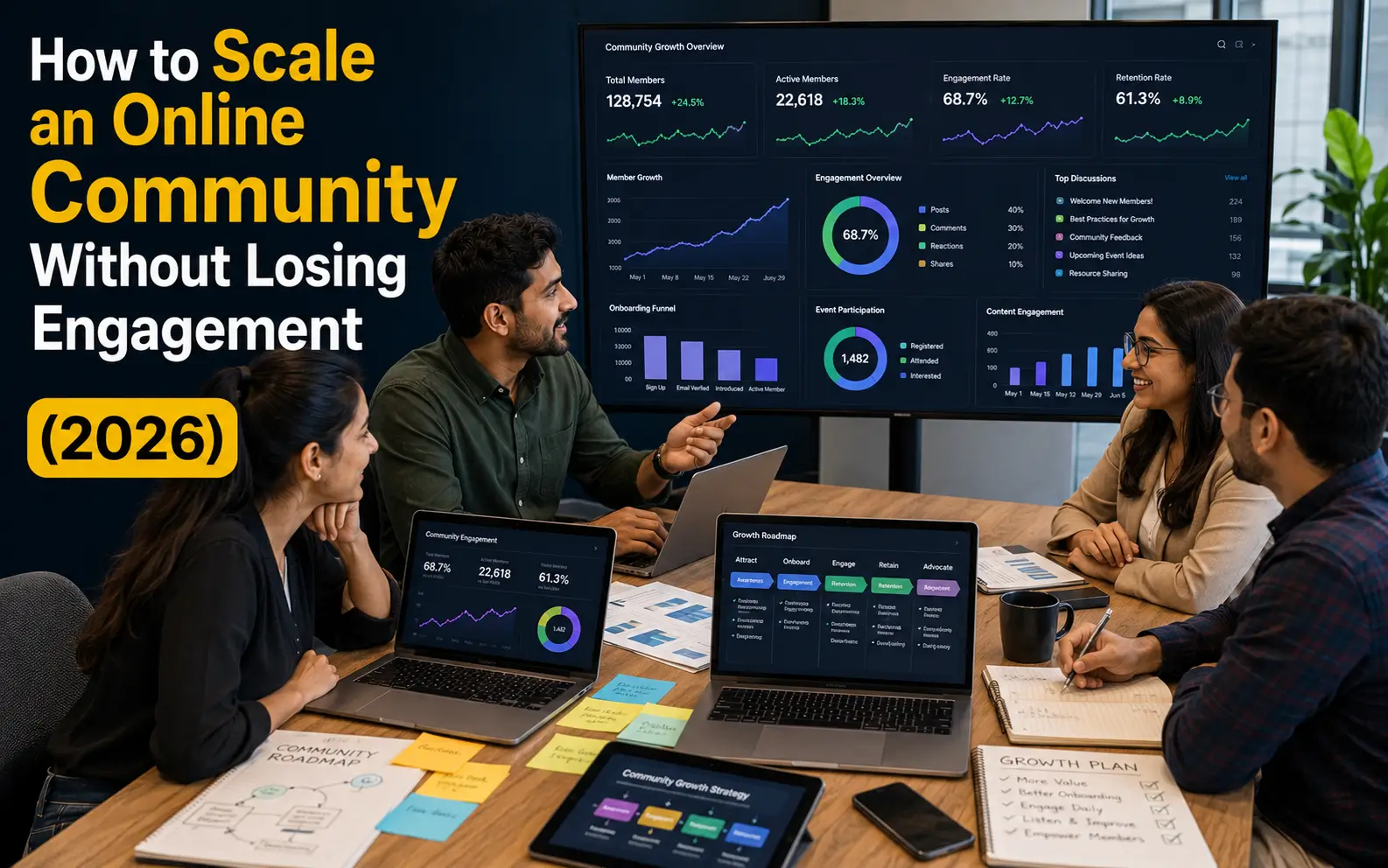
Data-driven decisions are the backbone of a sustainable community. By tracking specific metrics, you can identify what content resonates with your audience and where engagement might be dipping. Regularly reviewing these numbers allows you to pivot your strategy based on real-world performance.
| Metric Type | What It Measures | Why It Matters |
|---|---|---|
| Active Participation | Daily/Weekly posts | Shows core interest levels |
| Retention Rate | Member churn over time | Indicates long-term value |
| Moderation Load | Flagged content volume | Helps scale support needs |
| Growth Velocity | New sign-ups per month | Tracks overall reach |
Focusing on these indicators helps you maintain a pulse on the health of your group. Use these insights to refine your approach and ensure your community continues to thrive in the long run.
Monetization Models for Sustainable Communities
Building a sustainable community model is the ultimate goal for creators looking to turn their passion into a professional career. By focusing on long-term value, you can create a space that supports itself while providing immense benefits to your members. Effective community monetization requires a clear plan that respects your audience while generating the revenue needed to scale your operations.
Implementing Membership Tiers and Subscription Models
Subscription models are the backbone of many successful online groups. By offering tiered access, you allow members to choose the level of engagement that fits their budget and needs. Recurring revenue provides the stability required to invest back into your platform and improve the member experience.
Consider offering a basic tier for community access and a premium tier that includes extra perks. These perks might include monthly Q&A sessions, private channels, or early access to new content. This structure ensures that your most dedicated supporters feel valued while you maintain a steady income stream.
Exploring Sponsorships and Brand Partnerships
Once your group reaches a certain size, brands may want to reach your audience directly. Partnering with companies that align with your niche can be a lucrative way to fund your growth. Strategic partnerships should always prioritize the interests of your members to maintain trust.
You might feature sponsored posts, host webinars with industry experts, or offer exclusive discounts from partner brands. Always ensure that any collaboration feels authentic and adds genuine value to the conversation. Transparency is key when introducing commercial elements into your space.
Offering Exclusive Digital Products and Courses
Selling digital products is an excellent way to diversify your income beyond standard subscriptions. You can create specialized content such as e-books, templates, or comprehensive online courses that solve specific problems for your members. Exclusive digital products allow you to monetize your expertise while providing high-impact resources.
By diversifying your approach, you build a more sustainable community model that can withstand market changes. A mix of subscriptions, partnerships, and product sales creates a robust foundation for your business. Consistent community monetization efforts will ultimately lead to a thriving, long-term digital environment for everyone involved.
Conclusion
Creating a thriving online space is a rewarding journey that demands patience, strategy, and a deep commitment to your members. You now possess the blueprint to foster a digital environment that provides lasting value and genuine human connection.
The most successful communities on platforms like Circle or Mighty Networks are those that evolve alongside their members. Stay flexible as your group grows and keep listening to the feedback from your audience. Your ability to adapt will determine the long-term health of your project.
Start your journey today by taking that first small step toward launching your vision. Your future members are waiting for a space where they can learn, share, and grow together. We look forward to seeing the vibrant communities you build in 2026 and beyond.
FAQ
Which platform is better for a beginner: Circle or Mighty Networks?
Both are fantastic choices for 2026, but the “best” depends on your specific needs. Circle is highly praised for its clean, modern interface and seamless integration with existing websites, making it ideal for creators who want a sleek user experience. On the other hand, Mighty Networks offers more robust native features for online courses and “spaces,” which is perfect if your community is built around a structured learning path. If you are looking for real-time, chat-heavy interaction, you might also consider Discord or Slack.
How do I identify my ideal member persona without wasting time?
Start by looking at the specific problem your community intends to solve. Your ideal member persona isn’t just a demographic; it’s a profile of someone searching for a transformation. Use tools like SparkToro to research where your audience hangs out online and what conversations they are already having. By focusing on their “pain points” and “desires,” you can create a core value proposition that resonates deeply and keeps them coming back.
What is the most effective way to reach my first 100 members in 2026?
The fastest route is leveraging your existing assets. Start by inviting your ConvertKit or Mailchimp email subscribers, as they already trust your brand. Beyond that, focus on organic social media outreach on platforms like LinkedIn and Threads. Collaborating with niche influencers for a “guest appearance” or a joint webinar can also provide the social proof needed to drive those initial sign-ups.
Why is the onboarding experience so critical for long-term growth?
First impressions are everything. A well-designed community onboarding experience prevents new members from feeling overwhelmed or lost. By guiding them through their first post or introduction, you lower the “activation energy” required to participate. Integrating gamification elements—such as badges or welcome checklists—can significantly improve your retention rate from day one.
How do I manage conflict and maintain community health as I scale?
As your group grows, clear community guidelines become your North Star. You should have a proactive moderation policy that addresses “trolls” and “spam” immediately. For larger groups, utilizing AI moderation tools and appointing trusted members as volunteer moderators can help you maintain a safe environment. Remember, handling difficult conversations with transparency and grace builds more trust than simply deleting comments.
Can I integrate my community with a newsletter platform like Substack?
Absolutely! Integrating a Substack newsletter with your community is a powerful way to drive engagement. You can use the newsletter to highlight the “best of” weekly discussions, feature top contributors, and announce upcoming live events. This cross-pollination ensures that even members who aren’t logged in every day stay connected to the value you are providing.
What metrics should I track to ensure my community is successful?
While total member count is a “vanity metric,” you should focus on Daily Active Users (DAU) and Monthly Active Users (MAU) to gauge true health. Pay close attention to your churn rate—the percentage of members leaving each month—and your engagement rate per post. Using the built-in analytics dashboards on platforms like Circle will help you make data-driven decisions about your content strategy.
Is it better to charge a monthly subscription or a one-time fee?
For most communities, a subscription model via Stripe or Patreon is preferable because it creates a sustainable, recurring revenue stream. However, if you are offering a high-ticket, time-bound program or course, a one-time fee might make more sense. Many successful creators in 2026 use membership tiers, offering a free “entry-level” space and a “premium” tier for exclusive digital products and direct access.
How often should I update my community content calendar?
You should review your community content calendar at least once a month, but aim for a weekly rhythm of interaction. Consistency is the “heartbeat” of digital spaces. Mix educational resources with interactive content, such as weekly “Ask Me Anything” (AMA) sessions or recurring challenges. This ensures your community never feels stagnant and always provides a reason for members to log in.
How do I encourage peer-to-peer connections instead of just talking “at” my members?
Shift from being a “hero” to a “facilitator.” Use community networking techniques like “Member Spotlight” posts or creating specialized sub-groups for niche interests. By facilitating peer-to-peer introductions and rewarding your top contributors, you empower members to find value in each other, which is the key to building a truly resilient online community.